Wind Turbine & Energy Cables

Engineered Cable Solutions for Onshore and Offshore Wind Power Systems. Designed to exceed 20+ years of reliable operation.

0 +
Years Lifespan
0 kV
Max Voltage
0 +
Projects

Why Wind Turbine Cables Fail in Real Conditions

Most wind turbine cable failures are not caused by electrical overload, but by cumulative mechanical stress and environmental aging. In real wind farm conditions, cables are exposed to constant rotational movement in yaw and pitch systems, vertical bending inside towers, low-temperature operation, and aggressive outdoor environments.

Conductor Fatigue

Repeated torsional cycles cause conductor breakage

Insulation Cracking

Low temperatures and thermal cycling damage insulation

Jacket Degradation

UV radiation, oil, and ozone exposure wear outer layers

Signal Instability

Vibration and EMI cause data transmission failures

Our Solution: Engineered for Durability

Most wind turbine cable failures are not caused by electrical overload, but by cumulative mechanical Our wind energy cable designs directly address these failure mechanisms through optimized conductor stranding, flexible insulation systems, and durable outer jackets—significantly extending service life and reducing unplanned maintenance.

CASFLON™ 150 – Style 11063

PFA insulated wire rated 600V and -65°C to +150°C, designed for high-temperature applications.

CASFLON™ 150 – Style 1198

PTFE insulated wire with 600V rating and excellent thermal stability.

CASFLON™ 150 – Style 1331

Flexible FEP insulation rated up to 150°C for moving components.

CASFLON™ 150 – Style 1859

PFA insulated wire, 600V, designed for reliable operation under high temperatures.

CASFLON™ 200 – Style 10133

PTFE insulated wire rated up to 200°C for demanding thermal environments.

CASFLON™ NEMA HP4 – Type K

FEP insulated cable, 600V, built for high-performance electrical connections.

CASFLON™ NEMA HP4 – Type KK

FEP insulated cable rated 1000V for robust power transmission.

CASFLON™ SAE AS22759 – 16

ETFE insulated cable, 600V, suitable for vibration-intensive environments.
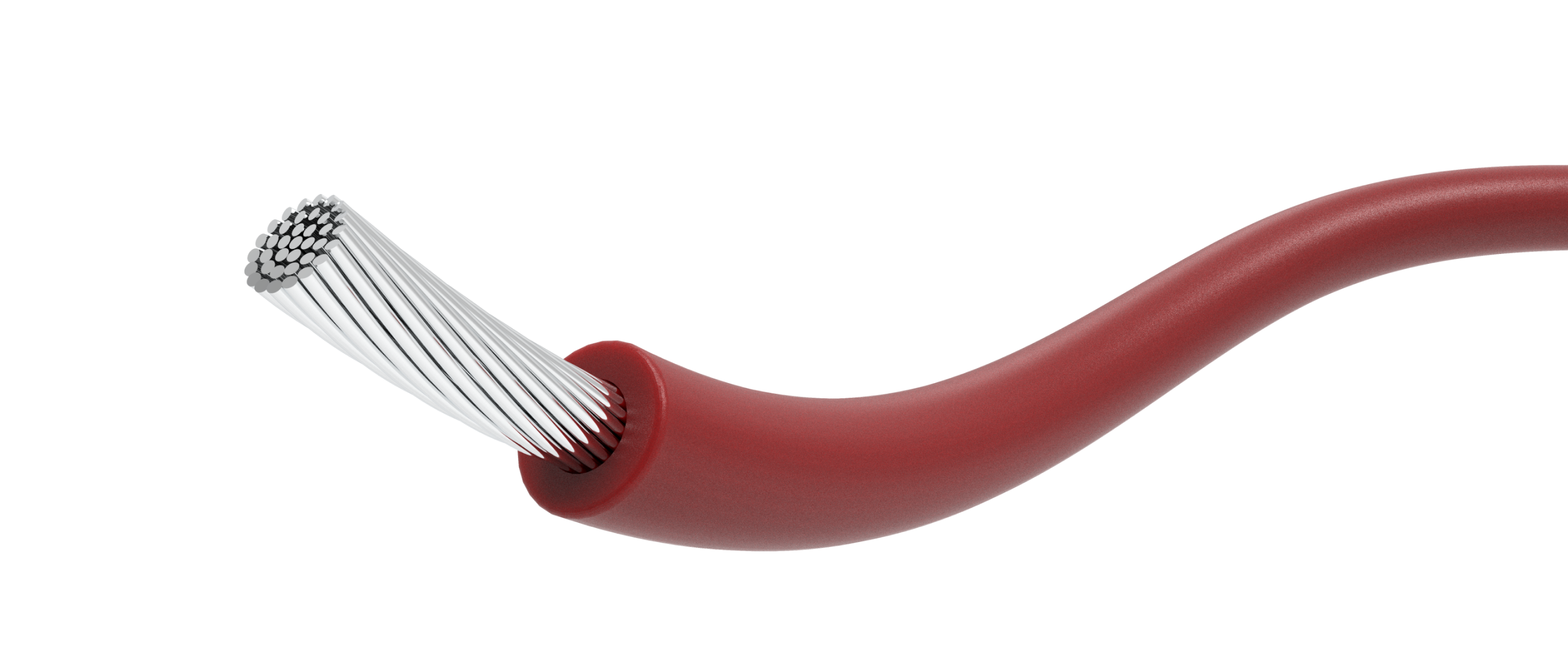
Wind Turbine Cables vs Standard Industrial Cables

Wind turbine electrical cables are fundamentally different from standard industrial cables. Using non-specialized cables in wind turbines often leads to premature failure.

Feature
Wind Turbine Cables
Standard Cables
Motion Handling
Continuous movement & torsion
Static or limited motion
Low-Temp Flexibility
Maintains flexibility at -40°C
Becomes rigid in cold
Fatigue Resistance
10,000+ torsional cycles
Limited cycle life
UV & Oil Resistance
Enhanced protection
Standard protection
Compliance
Wind-specific IEC/UL standards
General industrial standards
Lifecycle
Designed for 20+ years
Shorter expected life

CASPLAST™ 1015

Extruded PVC wire, 600V, rated -30°C to +105°C, suitable for general-purpose power and control applications.

CASPLAST™ 1007

PVC insulated cable rated 300V and -20°C to +80°C, ideal for low-voltage wiring in standard environments.

CASPLAST™ 1032

Extruded PVC wire, 1000–1200V, -30°C to +90°C, suitable for high-voltage indoor or machinery circuits.

CASPLAST™ 1056

600V PVC insulated wire, -30°C to +105°C, designed for reliable power distribution and control wiring.

CASPLAST™ 1095

PVC wire rated 300V, -30°C to +80°C, ideal for signal and control circuits in moderate environments.

CASPLAST™ 1569

Extruded PVC wire, 300V, -30°C to +105°C, suitable for general-purpose wiring with flexible installation needs.

CASPLAST™ 2103

PVC insulated wire, 300V, -30°C to +105°C, designed for durable, long-term electrical connections.

CASPLAST™ 2651

High-temperature PVC wire, 300V, rated up to +150°C, ideal for applications with elevated thermal conditions.

Cable Solutions for Wind Energy Applications

From nacelle to substation, our comprehensive cable portfolio supports every component of your wind power system.

Power Cables

Transmit electrical energy from generator to grid. Handle high current loads with constant mechanical movement.

  • Low voltage for nacelle systems
  • Medium voltage up to 35 kV
  • Flame-retardant, halogen-free options
  • IEC and UL compliant

Torsion, Yaw & Pitch Cables

Engineered for the most mechanically demanding zones. Withstand thousands of torsional cycles.

  • Fine-stranded copper conductors
  • Short lay length design
  • Elastic insulation materials
  • Proven onshore & offshore

Control & Data Cables

Maintain stable signal transmission for turbine automation, sensors, and monitoring systems.

  • Turbine automation systems
  • Shielded EMI protection
  • Sensor & monitoring cables
  • Hybrid power/signal options

Offshore & Submarine Cables

Enhanced protection for saltwater, hydrostatic pressure, and dynamic marine environments.

  • Saltwater corrosion resistance
  • Water-blocking designs
  • Dynamic & static applications
  • Marine cable standards

Engineered Materials for Long-Term Reliability

Material selection is critical to wind turbine cable performance. We utilize carefully selected conductor designs and insulation systems to balance flexibility, durability, and electrical efficiency.

Conductor Design

Fine-stranded bare or tinned copper conductors optimized for flexibility and fatigue resistance.

Insulation Systems

Elastomeric (TPE/EPR) or XLPO insulation for superior flexibility and temperature performance.

Outer Jackets

Abrasion-resistant, UV-stable outer jackets engineered for harsh environments.

Environmental Compliance

Halogen-free and RoHS compliant compounds for sustainable energy applications.

CASUSTAN™ EV 150

TPE/XLPO insulated wire rated 600VAC / 900VDC, operating -40°C to +125/150°C for electric vehicle and high-temperature applications.

CASUSTAN™ EV 180

Silicone rubber insulated cable, -40°C to +180°C, 600VAC / 900VDC, ideal for high-temperature EV systems.

CASUSTAN™ EVP150

TPE/XLPO insulated cable, 600–1000VAC / 900–1500VDC, rated -40°C to +125/150°C, suitable for high-voltage EV applications.

CASUSTAN™ FHLR2GCB2G

Silicone rubber insulated cable, -40°C to +180°C, 600VAC / 900VDC and 1000VAC / 1500VDC, for demanding EV environments.

CASUSTAN™ FHLR91XC13X / FHLR4GC13X

XLPO/EVA and TPE-E insulated cable, 1000VAC / 1500VDC, -40°C to +150°C, suitable for high-voltage EV power transmission.

CASUSTAN™ EV MC FHLR2GCB2G

Silicone rubber multicore cable, -40°C to +180°C, 600VAC / 900VDC and 1000VAC / 1500VDC, for complex EV wiring systems.

CASUSTAN™ EVP180

Silicone rubber insulated cable, -40°C to +180°C, 600VAC / 900VDC and 1000VAC / 1500VDC, designed for high-performance EV applications.

CASUSTAN™ PV H1Z2Z2-K

Cross-linked halogen-free cable, rated -40°C to +90°C, 1.0kV AC / 1.5kV DC, compliant with EN 50618 for photovoltaic and renewable energy installations.

International Standards Compliance

Our wind turbine cables meet major international standards for smooth project approval and reliable integration into global wind energy projects.

IEC Standards

Full compliance with IEC wind turbine electrical cable requirements

UL Certifications

UL certified for global market acceptance and safety assurance

Flame & Smoke

Flame-retardant and low-smoke performance tested

RoHS Compliant

Environmental compliance for sustainable energy projects

Typical Wind Turbine Cable Applications

Each application is supported by cable designs matched to its specific mechanical and electrical requirements.

Nacelle Systems

Pitch & Yaw Drives

Tower Cabling

Transformer Connections

Offshore Wind Farms

Frequently Asked Questions

Common questions about wind turbine and energy cables

Wind turbines use specialized power, control, data, and torsion-rated cables designed to withstand continuous movement, vibration, and harsh environmental conditions.

Most failures are caused by mechanical fatigue, torsion stress, low-temperature cracking, and environmental exposure rather than electrical overload.

Yes. Offshore wind cables require enhanced corrosion resistance, water-blocking designs, and mechanical reinforcement for marine environments.

When properly selected, wind turbine cables are designed to match the turbine’s operational life, typically 20–25 years.

Common standards include IEC requirements for wind turbines, UL certifications, and environmental compliance standards such as RoHS.

OEM manufacturing typically focuses on precise cable integration, long-term fatigue resistance, and compatibility with turbine design, while EPC installation emphasizes ease of routing, installation flexibility, and compliance with local grid and site regulations. Wind turbine cables must be selected to balance both design-stage reliability and field installation efficiency.

For retrofitting and upgrades, key factors include existing cable routing constraints, compatibility with original turbine systems, mechanical fatigue history, and environmental exposure. Selecting flexible, torsion-rated wind energy cables can significantly extend service life without requiring major structural modifications.

Cable flexibility directly affects fatigue life in wind turbines. Insufficient flexibility increases conductor stress during torsion and bending, leading to premature failure. Wind turbine cables are engineered with fine-stranded conductors and elastic insulation systems to maintain performance under continuous movement throughout the turbine lifecycle.

Standard industrial cables are not designed for continuous torsional movement, extreme temperature variation, or long-term outdoor exposure. Using non-specialized cables in wind turbines often results in early insulation cracking, conductor fatigue, increased downtime, and higher total cost of ownership.

Properly engineered wind turbine cables reduce maintenance frequency by minimizing mechanical fatigue and environmental degradation. Longer cable service life leads to fewer replacements, reduced downtime, and lower operational risk, directly improving the economic performance of wind energy projects.
