...

Fluoropolymer Insulated Cables for High-Temperature and Chemical-Resistant Applications

Fluoropolymer insulated cables are specified when operating environments exceed the long-term limits of conventional insulation materials. In applications involving continuous high temperatures, aggressive chemicals, or strict electrical stability requirements, insulation selection directly impacts system reliability and service life.

When Is Fluoropolymer Insulation the Right Choice?

  • Fluoropolymer insulation is not a general-purpose upgrade. It is typically selected when insulation performance becomes a limiting factor rather than a cost consideration.

  • Engineers and procurement teams usually consider fluoropolymer insulation when cables must operate continuously at elevated temperatures, withstand chemical exposure, or maintain electrical performance over long service cycles.

  • In contrast, specifying fluoropolymer insulation without a clear performance requirement can lead to unnecessary cost and processing complexity. Correct selection depends on understanding the actual operating environment—not material reputation alone.
Engineer evaluating fluoropolymer insulated cable versus standard cable under high temperature and chemical exposure conditions

What Fluoropolymer Insulated Cable Solutions We Supply

We manufacture and supply fluoropolymer insulated wires and cables using the following insulation materials:

PTFE insulated cable with silver plated copper conductor designed for high temperature and chemically aggressive environments

PTFE insulated cables

PTFE insulated cables are designed for extreme temperature and chemically aggressive environments, offering continuous operation up to 260°C with excellent dielectric stability and low friction surface properties.

FEP insulated cable offering excellent electrical stability and flexibility for industrial and electronic applications

FEP insulated cables

FEP insulated cables provide strong electrical performance and chemical resistance with improved processability and flexibility, making them suitable for high-temperature industrial and electronic applications.

PFA fluoropolymer insulated cable suitable for high purity and high temperature semiconductor and laboratory environments

PFA insulated cables

PFA insulated cables combine high thermal endurance, mechanical strength, and purity, making them ideal for semiconductor, laboratory, and high-performance industrial environments.

ETFE insulated cable with high mechanical strength and abrasion resistance for aerospace and industrial control systems

ETFE insulated cables

ETFE insulated cables deliver superior mechanical toughness, abrasion resistance, and lightweight performance, commonly used in aerospace, industrial control, and harsh-duty applications.

Our fluoropolymer insulated cables can be supplied as single-core or multi-core constructions, with optional shielding and custom insulation thickness to meet specific operating requirements.

What Are the Differences Between PTFE, FEP, PFA, and ETFE Insulated Cables?

Feature
PTFE Insulated Cables
FEP Insulated Cables
PFA Insulated Cables
ETFE Insulated Cables
Maximum Operating Temperature
Up to 260°C
Up to 200–205°C
Up to 260°C
Up to 150–170°C
Chemical Resistance
Excellent, virtually inert
Excellent
Excellent, ultra-pure
Very good
Dielectric Performance
Outstanding, very stable
Excellent
Excellent
Very good
Mechanical Strength
Moderate
Moderate
High
Very high
Flexibility
Moderate
Good
Good
Moderate
Abrasion Resistance
Moderate
Moderate
Good
Excellent
Surface Characteristics
Very low friction
Low friction
Smooth, non-stick
Tough, impact-resistant
Processability
Difficult
Easy
Easier than PTFE
Easy
Purity / Cleanliness
High
High
Ultra-high
Standard
Typical Applications
Extreme temperature, chemical environments
Industrial electronics, high-temp wiring
Semiconductor, laboratory, pharma
Aerospace, industrial control, harsh-duty
Cost Level
High
Medium
High
Medium

PTFE Insulated Cables

High-Temperature Fluoropolymer Insulation

PTFE insulation is widely used in applications requiring exceptional thermal and chemical stability. PTFE-insulated cables typically support continuous operating temperatures up to approximately 260°C while maintaining consistent dielectric performance. The material is chemically inert, resistant to nearly all industrial solvents and chemicals, and exhibits minimal aging under long-term exposure. These characteristics make PTFE suitable for aerospace wiring, high-temperature sensors, and chemical processing equipment.

Download

CASFLON™ 150 UL/cUL Style 1164

This construction is intended for high-temperature applications where stable electrical performance and chemical resistance are required under continuous operation. The PTFE insulation provides reliable dielectric behavior at elevated temperatures while maintaining resistance to most industrial chemicals. Style 1164 is typically used in aerospace components, internal equipment wiring, and sensor connections where mechanical stress is moderate and long service life is expected.

CASFLON™ 150 UL/cUL Style 1198

UL/cUL Style 1198 offers similar thermal and chemical characteristics to other PTFE-insulated constructions but is often selected when specific UL style requirements or installation practices need to be met. It supports continuous high-temperature operation with minimal insulation aging, making it suitable for industrial control systems and high-temperature instrumentation where compliance and consistency are priorities.
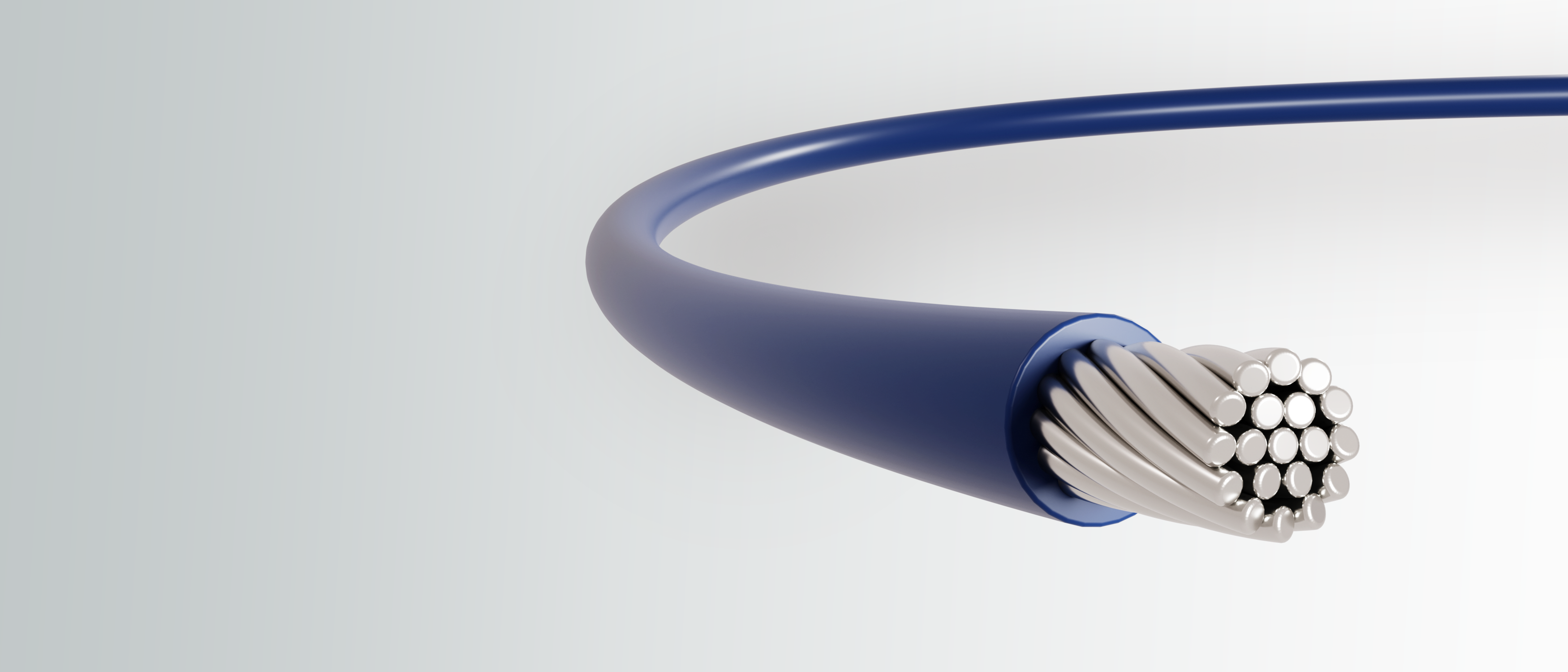
CASFLON™ 200 UL/cUL Style 10133

Designed for more demanding thermal environments, Style 10133 extends the usable temperature range while preserving PTFE’s inherent chemical inertness and dielectric stability. This construction is commonly applied in equipment exposed to sustained heat, aggressive media, or tighter safety margins, such as chemical processing systems and high-temperature signal transmission.
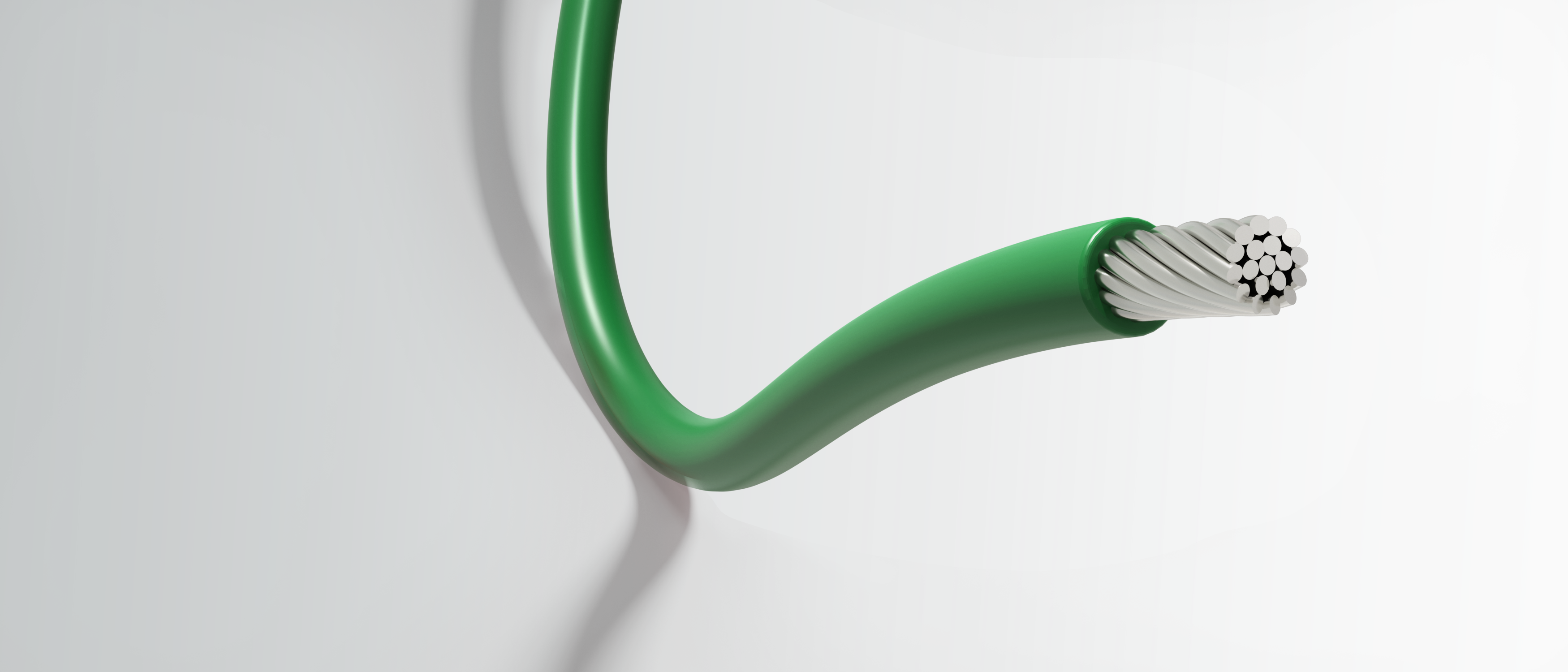
CASFLON™ 250 UL/cUL Style 10393

UL/cUL Style 10393 is intended for applications requiring the highest level of thermal endurance within this PTFE range. The insulation is engineered to maintain electrical integrity under prolonged high-temperature exposure and challenging operating conditions. Typical uses include aerospace wiring, high-temperature industrial equipment, and specialized systems where long-term reliability outweighs flexibility and cost considerations.

Engineering takeaway: PTFE insulation is typically selected when long-term thermal stability and chemical resistance outweigh flexibility and cost considerations.

FEP Insulated Cables

Chemical-Resistant Cable Insulation

FEP insulation offers many of the electrical and chemical advantages of PTFE while allowing melt-processable extrusion. FEP-insulated cables are commonly used in applications requiring reliable chemical resistance with improved flexibility and dimensional control. Compared to PTFE, FEP supports lower maximum continuous temperatures but provides smoother surface finishes and more consistent manufacturability.

Download

CASTHERMCOAX™ RG178 U/FEP

RG178 U/FEP is a compact, lightweight coaxial cable designed for applications requiring chemical resistance and stable electrical performance in confined spaces. The FEP insulation allows precise dimensional control and consistent impedance while supporting moderate high-temperature operation. This construction is commonly used in aerospace electronics, instrumentation, and signal transmission where flexibility and weight are important considerations.

CASTHERMCOAX™ RG316 U/FEP

RG316 U/FEP is widely used for general-purpose high-frequency signal transmission in environments exposed to chemicals or elevated temperatures. The FEP insulation provides reliable dielectric stability and smooth extrusion quality, supporting consistent electrical characteristics. This cable is often selected for RF assemblies, test equipment, and industrial electronics where durability and manufacturability are required.

CASTHERMCOAX™ RG316 DFEP

RG316 DFEP features a dual-layer FEP insulation design intended to enhance insulation integrity and mechanical robustness. This construction offers improved resistance to handling stress and environmental exposure while maintaining the electrical performance characteristics of standard RG316. It is typically applied in installations where additional insulation margin is preferred without moving to higher-temperature PTFE solutions.

CASTHERMCOAX™ RG179 U/FEP

RG179 U/FEP is a small-diameter coaxial cable designed for applications requiring flexibility, chemical resistance, and controlled electrical performance. The FEP insulation enables smooth routing and consistent signal behavior, making this cable suitable for densely packed electronic systems, internal wiring of instruments, and lightweight RF connections where space constraints are critical.

Engineering takeaway: FEP insulation is often chosen when chemical resistance and electrical stability are required without the need for extreme temperature margins.

PFA Insulated Cables

High-Purity Fluoropolymer Insulation

PFA insulation combines high-temperature performance with melt processability, making it suitable for applications where purity and long-term stability are critical. PFA-insulated cables are frequently specified for semiconductor manufacturing equipment and analytical instruments.

Download

CASFLON™ 150 UL/cUL Style 11063

UL/cUL Style 11063 is designed for applications requiring high insulation purity and stable electrical performance at elevated temperatures. The PFA insulation supports long-term thermal exposure while maintaining low extractables and consistent dielectric behavior. This construction is commonly used in analytical instruments, semiconductor equipment, and controlled-process wiring where material cleanliness is a primary concern.

CASFLON™ 200 UL/cUL Style 1709/1929

Style 1709 / 1929 extends the thermal capability of PFA-insulated constructions while preserving melt-processable consistency and dimensional stability. These cables are typically specified in semiconductor manufacturing tools and process equipment exposed to sustained heat and chemically controlled environments, where reliability and repeatability are required over long service periods.

CASFLON™ 200 UL/cUL Style 1710/1930

UL/cUL Style 1710 / 1930 is intended for installations where both thermal endurance and mechanical robustness are necessary. The PFA insulation provides stable electrical characteristics while offering improved resistance to handling and installation stress. This construction is often selected for critical internal wiring in high-temperature equipment where maintenance access is limited.

CASFLON™ 250 UL/cUL Style 10142

Style 10142 represents the higher thermal performance range within this PFA series. It is designed to maintain electrical integrity and material stability under prolonged high-temperature exposure. Typical applications include advanced process equipment, high-end analytical systems, and environments where long-term reliability and insulation purity are prioritized over material cost.

Engineering takeaway: PFA insulation is typically justified in high-purity or critical-process environments where long-term performance outweighs material cost.

ETFE Insulated Cables

Mechanically Robust Fluoropolymer Insulation

ETFE insulation is valued for its mechanical toughness, abrasion resistance, and cut-through strength. ETFE-insulated cables are commonly used in aerospace and industrial control systems where vibration and mechanical stress are present.

Download

CASFLON™ SAE AS22759 / 18

SAE AS22759/18 is designed for aerospace and high-reliability applications where mechanical durability and vibration resistance are required. The ETFE insulation provides strong abrasion and cut-through resistance while maintaining stable electrical performance. This construction is commonly used in aircraft wiring systems and industrial environments where cables are subject to repeated movement or mechanical stress.

CASFLON™ SAE AS22759 / 17

AS22759/17 offers similar mechanical robustness with adaptations for different installation or system requirements within aerospace and defense applications. The ETFE insulation supports long service life under vibration, flexing, and physical contact, making it suitable for control systems and equipment wiring where mechanical protection is a priority.

CASFLON™ 200 UL/cUL Style 10086

UL/cUL Style 10086 is intended for industrial applications requiring enhanced mechanical strength and abrasion resistance rather than extreme temperature capability. The ETFE insulation provides reliable protection in control panels, machinery wiring, and automation systems where cables may be exposed to handling, movement, or confined routing conditions.

CASFLON™ SAE AS22759 / 16

SAE AS22759/16 is designed for demanding environments where mechanical integrity and insulation toughness are critical. The ETFE insulation maintains electrical reliability while offering resistance to wear, vibration, and cut-through. Typical applications include aerospace systems and industrial installations where long-term mechanical durability outweighs the need for higher-temperature fluoropolymers.

Engineering takeaway: ETFE insulation is suitable when mechanical durability is a higher priority than extreme temperature resistance.

How to Choose the Right Fluoropolymer Insulated Cable

  • PTFE insulated cables are best suited for applications requiring extreme temperature resistance and chemical inertness.
  • FEP insulated cables offer a balance of high-temperature performance and easier processing, making them ideal for industrial electronics.
  • PFA insulated cables are preferred in semiconductor and laboratory environments where purity, durability, and thermal stability are critical.
  • ETFE insulated cables excel in applications demanding mechanical toughness, abrasion resistance, and lightweight construction.
Comparison illustration of PTFE, FEP, PFA, and ETFE insulated cables highlighting temperature resistance, chemical stability, flexibility, purity, and mechanical strength for proper cable selection.

Compliance & Standards

Our PTFE, FEP, PFA, and ETFE insulated wires are manufactured in accordance with recognized international safety and performance standards. Specific compliance depends on cable type and construction.

Electrical & Flammability Standards

Our fluoropolymer cables can be designed to meet:

  • UL 758 – Appliance Wiring Material (AWM)
  • UL 83 – Thermoplastic-Insulated Wires and Cables
  • UL 910 – Plenum Flame Test (Steiner Tunnel)
  • IEEE 1202 – Cable Tray Flame Test

For projects requiring certification, applicable UL Style numbers and file references can be provided upon request.

Aerospace & Industrial Specifications

For high-performance and mission-critical applications, selected constructions can be produced in accordance with:

  • NEMA WC 27500 – Aerospace & Industrial Electrical Cable
  • Relevant MIL-Spec constructions (where applicable)

Environmental & Regulatory Compliance

Casmo fluoropolymer cables are available with material compliance documentation including:

  • RoHS Directive
  • REACH Regulation

Material declarations and compliance statements are available upon request.

Quality Management System Approvals

CE certified industrial cable manufacturer compliant with European safety and quality standards
ISO 13485:2016 certification for medical device cable manufacturing and quality management system
ISO 14004:2004 environmental management certification for sustainable cable production processes
IATF 16949:2016 certified automotive cable manufacturer with advanced quality control system
RoHS compliant electrical cables free from hazardous substances for global markets
UL listed and certified electrical cable manufacturer meeting North American safety standards

Fluoropolymer Insulation Performance Under Real Operating Conditions

In real-world applications, fluoropolymer insulation performance depends on combined stresses rather than isolated material ratings.

Continuous thermal exposure, chemical contact, electrical load, and mechanical movement all influence long-term insulation integrity. Fluoropolymer insulated cables maintain stable electrical properties and resist material degradation under sustained operating conditions, reducing unexpected failure risks.

What's Typical Application of Fluoropolymer Insulated Cables

Fluoropolymer insulated cables are widely used in:

Aerospace & Aviation
Wiring Systems

Semiconductor manufacturing equipment

Industrial sensors & instrumentation

Medical & laboratory
devices

Energy, oil & gas, and chemical processing facilities

Customer Feedback

We specified Casmo’s fluoropolymer-insulated cables for a high-rise commercial infrastructure project requiring 200°C rated performance and plenum compliance. After 18 months of continuous operation in high-humidity mechanical floors, insulation resistance values remained above 10¹² Ω, with zero degradation observed. Installation efficiency improved by approximately 15% due to the cable’s flexibility and reduced jacket thickness. Their technical team responded within 24 hours during specification review, which significantly streamlined our procurement process.
Michael R. Turner, Senior Electrical Project Engineer in the United States, reviewing fluoropolymer insulated cable specifications for commercial construction projects
Michael R. Turner
Senior Electrical Project Engineer
For our electric vehicle platform, we required high-temperature, chemically resistant wiring compliant with IATF 16949 standards. Casmo’s ETFE and PTFE insulated cables passed our 1,000-hour thermal aging test at 220°C with no cracking or dielectric breakdown. Signal stability in high-frequency testing showed less than 2% attenuation variance compared to our benchmark supplier. Their documentation package, including material traceability and RoHS compliance, met our audit standards without revision.
Dr. Lukas Schneider, Automotive Quality & Validation Manager in Germany, testing high-temperature ETFE and PTFE insulated cables for electric vehicle power systems
Dr. Lukas Schneider
Quality & Validation Manager – EV Power Systems
In MRI-compatible device assemblies, low dielectric constant and chemical stability are critical. Casmo’s FEP-insulated cables demonstrated dielectric constants below 2.1 and maintained structural integrity after repeated sterilization cycles exceeding 500 autoclave hours. Their ISO 13485-compliant manufacturing process and batch-level traceability gave us confidence during regulatory submission. Failure rates during pre-production validation were reduced by 30% compared to our previous supplier.
Dr. Ayako Tanaka, Director of R&D in Japan, evaluating FEP insulated medical device cables for high-frequency and sterilization-resistant applications
Dr. Ayako Tanaka
Director of R&D – Medical Imaging Systems
Technical visualization illustrating how insulation material selection interacts with conductor plating, core configuration, and shielding options in advanced cable design for EMI-sensitive applications.

Cable Construction and Design Considerations

Insulation material selection must be evaluated alongside conductor type, shielding requirements, and overall cable construction.

Options include silver-plated or nickel-plated conductors, single-core or multi-core designs, and shielding for EMI-sensitive applications.

Manufacturing Capability and Customization

Manufacturing fluoropolymer insulated cables requires precise extrusion control and consistent process management. Customization options include insulation thickness, color coding, shielding configurations, and scalable production volumes from prototype to series supply.

Precision extrusion process producing fluoropolymer insulated cables with customizable thickness, color coding, and shielding configurations in a modern manufacturing facility by Casmo Cable
Casmo Cable Engineer comparing fluoropolymer insulated cable with alternative insulation materials to evaluate cost and performance suitability

Limitations and Common Misconceptions

Fluoropolymer insulation is not a universal solution. In some applications, alternative insulation materials may provide adequate performance at lower cost or with improved flexibility.

Over-specification based on habit rather than operating conditions can increase project cost without improving reliability.

Frequently Asked Questions By Casmo Cable

Fluoropolymer insulation refers to a family of fluorine-based polymer materials—such as PTFE, FEP, PFA, ETFE, and PVDF—used as electrical insulation for wires and cables requiring high thermal stability and chemical resistance.

In cable applications, fluoropolymer insulation is selected when conventional materials like PVC or XLPE cannot maintain long-term mechanical and electrical performance under continuous heat or chemical exposure. The choice of fluoropolymer depends on operating temperature, mechanical stress, and environmental conditions rather than material reputation alone.

The temperature range of fluoropolymer insulated cables depends on the specific material used.

PTFE insulation typically supports continuous operating temperatures up to approximately 260°C.
FEP and PFA are generally rated up to around 200–250°C depending on construction.
ETFE and PVDF usually operate at lower maximum continuous temperatures.

It is important to distinguish between short-term exposure and continuous operating temperature, as long-term thermal aging determines real service life.

PTFE insulation is typically chosen over FEP when continuous operating temperatures exceed the stable limit of FEP or when maximum chemical inertness is required.

While both materials offer strong chemical resistance and electrical stability, PTFE provides higher temperature capability and long-term thermal resilience. FEP, however, offers improved flexibility and melt-processability, making it more suitable when extreme temperature margins are not necessary.

PFA insulation is commonly specified in semiconductor and high-purity environments where low extractables and long-term stability are critical.

However, PFA is not automatically required for all semiconductor applications. In some cases, FEP may provide adequate performance depending on temperature exposure, contamination sensitivity, and mechanical requirements. Selection should be based on process conditions rather than industry habit.

Yes, fluoropolymer insulated cables are highly resistant to most industrial chemicals, solvents, fuels, and acids.

Fluoropolymer insulation materials exhibit strong molecular stability, minimizing swelling, degradation, or permeation under chemical exposure. However, real-world resistance depends on temperature, exposure duration, and mechanical stress conditions.

Fluoropolymer insulation materials offer low dielectric constants and stable dissipation factors, making them suitable for signal-sensitive and high-frequency applications.

The electrical stability of fluoropolymer insulation helps maintain signal integrity under temperature variation and environmental stress. Proper cable construction—including shielding and conductor selection—remains essential for optimal performance.

Many fluoropolymer insulation materials exhibit inherent flame resistance due to their chemical composition.

However, overall flame performance depends on cable construction, including jacket material and shielding layers. Compliance with specific flame standards (such as UL or other regulatory requirements) must be verified based on the final cable design.

Fluoropolymer insulation provides higher temperature resistance, superior chemical stability, and more consistent long-term electrical performance compared to PVC or XLPE.

However, fluoropolymer materials typically involve higher cost and more complex processing. For moderate operating conditions, PVC or XLPE may offer sufficient performance at lower cost. Selection should reflect actual environmental demands rather than assuming higher performance is always necessary.

Fluoropolymer insulation materials exhibit minimal aging under normal operating conditions, particularly in high-temperature and chemically aggressive environments.

Unlike some conventional polymers that may embrittle or degrade over time, fluoropolymers maintain structural and dielectric stability across extended service periods. Real aging performance still depends on combined thermal, mechanical, and electrical stress factors.

Fluoropolymer insulated cables should be selected based on operating temperature, chemical exposure, mechanical stress, electrical requirements, and regulatory constraints.

Material choice (PTFE, FEP, PFA, ETFE, or PVDF) should reflect the most critical limiting factor in the application. Over-specifying insulation can increase cost without improving reliability, while under-specifying may lead to premature failure. Reviewing actual operating conditions before finalizing specifications reduces long-term risk.

Cross section of fluoropolymer insulated cable showing conductor, fluoropolymer insulation layer, and optional shielding for high temperature and chemical resistant applications

Engineering Consultation

Selecting fluoropolymer insulation is a risk-management decision. Reviewing operating temperature, chemical exposure, electrical requirements, and compliance constraints early helps avoid costly redesigns later.

Seraphinite AcceleratorOptimized by Seraphinite Accelerator
Turns on site high speed to be attractive for people and search engines.
