 Skip to content
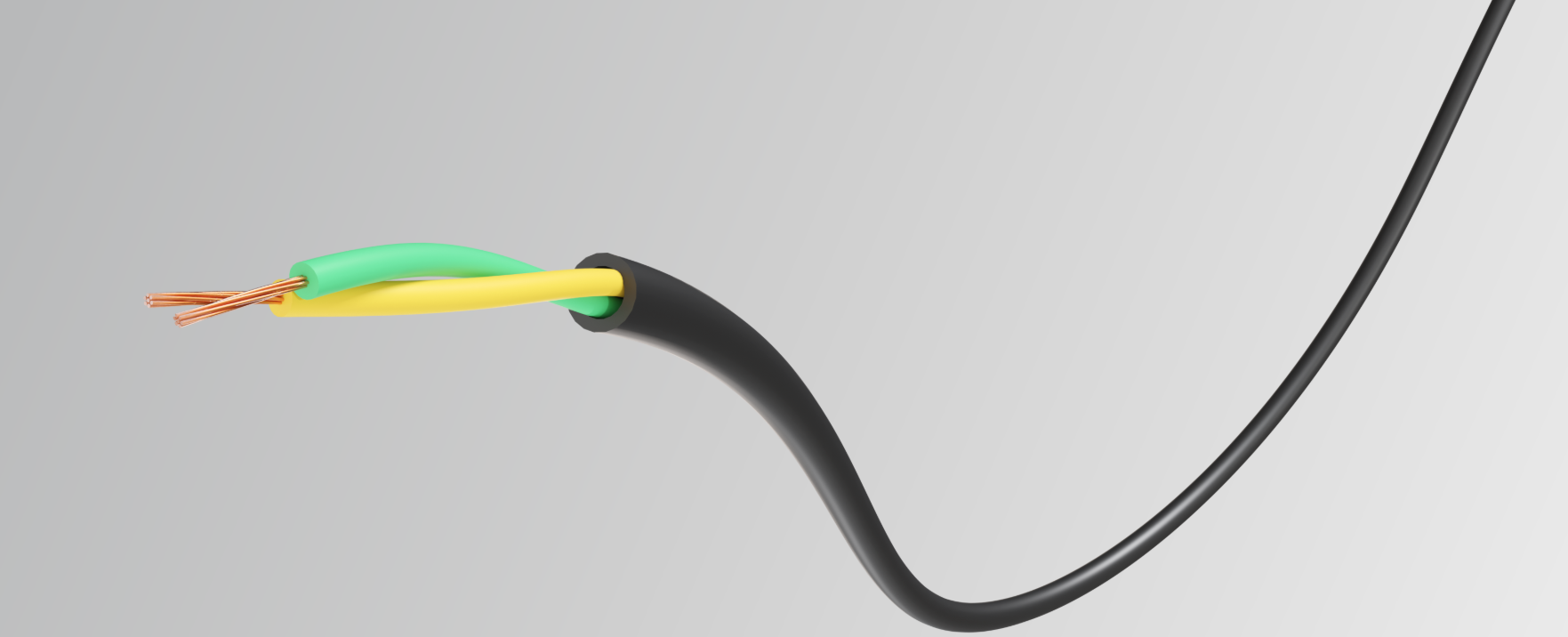
CASPLAST CAN-Bus 125
J1939/15
Construction
Type
data cable
Core
bare copper
Insulation
CASFOAM® irradiation cross-linked material
Thermal Characteristics
Operating temperature
-55°C to +125°C
Electrical Characteristics
Operating Voltage
300V
Impedance
120Ω±10%
Production
Range width
twisted pair of 0.5mm², 0.8mm², 18AWG, 20AWG
Jacket
modified irradiation cross-linked material
Part No. | Conductor | Conductor Nom. OD(mm) | Dielectric Nom. OD(mm) | Filler | Finished Cable Nom. OD(mm) |
|---|---|---|---|---|---|
161003C1571 | 20 AWG (7/28) BC | 0.97 | 2.08 | No | 5.18 |
161003C1508 | 20 AWG (19/32) BC | 0.97 | 2.08 | No | 5.18 |
161003C2370 | 0.8mm2 (19/.23) BC | 1.07 | 2.13 | No | 5.36 |
161003C1553 | 18 AWG (19/.23) BC | 1.14 | 2.34 | No | 5.51 |
For more details, please download the sheet.
Downloads
Technical data sheet
General Characteristics
Chemical behaviors
very good resistance to acid, base, mineral oil, and fuel
Mechanical behaviors
excellent cut-through resistance and excellent abrasion resistance
Application
Heavy-duty vehicles
suitable for harsh environments
Standard
SAE J1939/15
Frequently Asked Questions (FAQ)
J1939/15 cables are unshielded and designed for applications where electromagnetic interference (EMI) is controlled or minimal. Compared to J1939/11 (shielded) cables, they offer reduced weight, smaller outer diameter, easier routing, and lower overall system cost, making them ideal for optimized harness designs.
J1939/15 is best suited for heavy-duty vehicles, industrial equipment, and control systems where CAN communication is required but full shielding is not necessary—such as internal vehicle networks, auxiliary systems, and environments with predictable EMI conditions.
When installed in accordance with SAE J1939 guidelines, the unshielded design maintains stable data transmission with a controlled impedance of 120Ω ±10%. For applications with proper cable routing and grounding strategies, J1939/15 delivers reliable CAN communication performance.
The irradiation cross-linked insulation and jacket provide excellent resistance to heat, oil, fuel, chemicals, abrasion, and mechanical stress. With an operating temperature range of –55°C to +125°C, the cable is well suited for demanding vehicle and industrial environments.
Yes. We offer multiple conductor sizes and can support customized requirements such as conductor construction, jacket materials, and special performance needs to match specific OEM or harness design specifications.
