Miniature Cable & Precision Solutions
Engineered Cable Solutions for Medical Devices, Robotics, Aerospace, and High-Precision Systems. Designed to exceed 20+ years of reliable operation in dynamic and confined environments.
Why Our Miniature Cable? Direct Solutions to Your Top Pain Points
Searching for “miniature cable for medical devices” or “flexible miniature wire rope for robotics joints”? You’ve likely faced frustrations like oversized cables jamming micro-spaces, short bend lives causing field failures, or lengthy custom lead times delaying launches. These issues inflate costs and extend timelines in high-stakes B2B manufacturing.
Check these items
Our miniature cable lineup counters these with tailored innovations. From ultra-thin conductors to robust EMC shielding, every feature is engineered for reliability. Here’s how we help:
Overcome Space Limitations
Diameters as low as 0.10mm with ±0.005mm tolerances fit seamlessly into compact designs, addressing "miniature cable tight space installation challenges" without redesigns.
Boost Durability and Flex
Over 1,000,000 bend cycles (third-party verified), with ±360°/m torsion support – ideal for dynamic apps, solving "miniature shielded cable fatigue in robots."
Ensure Signal Reliability
Low capacitance (50-100 pF/m), ±5% impedance control, >90% shielding – eliminating noise in "high-frequency miniature wire for aerospace sensors."
Meet Compliance Needs
FEP/PFA/silicone insulations with ISO 10993 biocompatibility, -200°C to +260°C ratings – easing "biocompatible miniature cable certification process" hurdles.
Ready to resolve "ultra-fine miniature cable" needs?
These aren’t just specs; they’re outcomes from real collaborations. Our high-strength alloy strands reduce weight by 30% while doubling strength, meaning lighter devices with longer service lives. For “miniature stainless steel cable durability in harsh environments,” this translates to fewer recalls and happier end-users.
Miniature Thermoplastics-Insulated Cables for Continuous Motion
Designed for ultra-compact dynamic applications, miniature thermoplastics-insulated cables deliver an optimal balance of extreme flexibility, mechanical strength, and long bending life in confined spaces. These ultra-fine miniature cables are widely used in medical robotics, endoscopic articulation, micro-actuators, and precision automation systems where continuous micro-flexing and tight bend radii are unavoidable. Carefully formulated TPE and modified PVC compounds ensure stable performance under constant mechanical stress in AWG 36–56 miniature formats.

CASPLAST™ 1015
Reliable PVC insulated wire, rated 600V and -30°C to +105°C, ideal for general-purpose power and control applications.
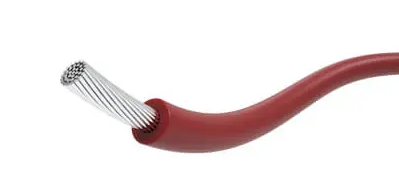
CASPLAST™ 1007
Flexible PVC cable, 300V, -20°C to +80°C, suitable for low-voltage wiring in industrial environments.
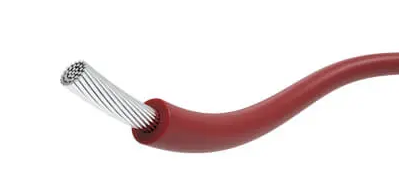
CASPLAST™ 1032
High-voltage PVC wire, 1000–1200V, -30°C to +90°C, perfect for indoor machinery and high-current circuits.
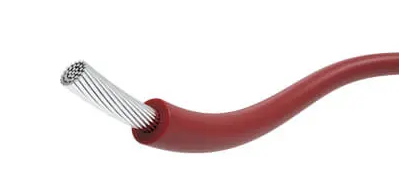
CASPLAST™ 1056
Durable 600V PVC insulated wire, -30°C to +105°C, for reliable power distribution and control wiring.
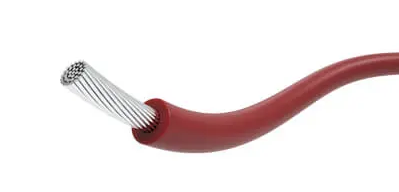
CASPLAST™ 1095
PVC wire rated 300V, -30°C to +80°C, ideal for signal and control circuits in standard industrial settings.
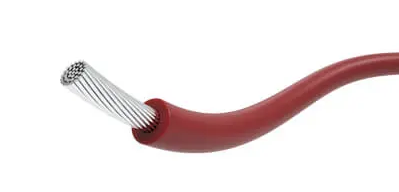
CASPLAST™ 1569
Flexible PVC insulated cable, 300V, -30°C to +105°C, designed for versatile industrial installation needs.
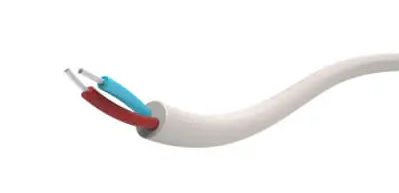
CASPLAST™ 2103
Long-lasting PVC wire, 300V, -30°C to +105°C, engineered for stable electrical connections and automation systems.
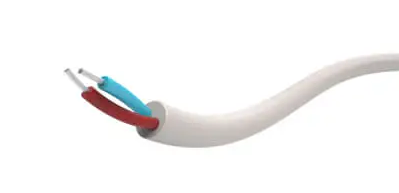
CASPLAST™ 2651
High-temperature PVC insulated wire, 300V, rated up to +150°C, suitable for elevated thermal environments and demanding applications.
Miniature Cable Specs: Detailed Parameters and Customization Guide
Wondering about “miniature cable AWG 50 specifications”? Our range spans single-core signals to micro-coax assemblies, all customizable. Below’s a comparison table for quick selection, optimized for your “custom miniature wire rope pricing” queries.
Category | Range/Details | Materials/Options | Advantages vs. Industry (Pain Point Fix) | Example Applications |
|---|---|---|---|---|
AWG & Size | AWG 36-56 (0.0125-0.127mm core) | Single/Multi-strand (7-133) | ±0.005mm tolerance for “miniature cable tight spaces” | Miniature cable for precision sensors |
Conductor | Copper alloy, stainless, plated
| High-tensile >400 MPa | Fatigue resistance for “flexible miniature wire bend life” | Miniature wire rope for robotics joints |
Insulation/Sheath | FEP/PFA/ETFE/Silicone/TPU | 0.02mm thin, non-stick | -200~+260°C, ISO 10993 for “biocompatible miniature cable” | Miniature coaxial cable for medical endoscopes |
Shielding/EMC | Braided/Spiral (>90% coverage) | 50/75/93 Ω impedance ±5% | Low crosstalk for “high-frequency miniature cable attenuation” | Shielded miniature cable for automotive ADAS |
Electrical | 300-600V, 50-100 pF/m capacitance | Low-loss build | Up to 50 GHz, noise <-80 dB for signal purity | High-frequency miniature wire for aerospace |
Mechanical | Bend radius <5xOD, torsion ±360°/m | <1g/m lightweight | >1M cycles for “dynamic miniature cable endurance” | Ultra-fine miniature cable for drones |
Compliance | UL/RoHS/REACH/ISO 10993 | Low-halogen variants | Speeds “miniature stainless steel cable certification” | Biocompatible miniature cable for implantable devices |
Specs Deep Dive
AWG Customization
For "miniature cable AWG 50 vs 56 differences," our 0.025mm cores enable "ultra-fine miniature wire for implantable devices" without bulk.
Material Expertise
316L stainless tackles "miniature wire corrosion in harsh environments," lasting 10+ years in corrosive settings.
Insulation Options
PFA's low dielectric suits "high-temperature miniature cable for automotive engines," while silicone eases cleaning in surgical tools.
Shielding Details
>95 dB efficacy resolves "shielded miniature cable EMI problems in ultrasound imaging."
Durability Metrics
Third-party tests confirm "miniature flexible cable lifespan" exceeds standards, ideal for robotic arms.
Hybrid variants integrate data/power/fiber
For streamlined “miniature hybrid cable multi-function” designs.
Miniature Fluoropolymer-Insulated Cables for High-Performance Robotics
Miniature fluoropolymer-insulated cables are engineered for precision applications where standard micro-wires reach their limits. With extremely low friction, superior chemical resistance, and outstanding thermal stability, these ultra-thin miniature cables excel in high-speed, multi-axis robotic joints, surgical robots, and compact drone systems. They significantly reduce wear inside micro-drag chains and moving assemblies, dramatically extending service life in demanding miniature robotic environments.

CASFLON™ 150 – Style 11063
PFA-insulated wire rated 600V, -65°C to +150°C, ideal for high-flex robotic and automation wiring.

CASFLON™ 150 – Style 1164
PTFE-insulated wire, 300V, flexible and durable for continuous-motion robotic systems.

CASFLON™ 150 – Style 1198
PTFE-insulated 600V wire, designed for repeated bending and high-temperature robotics applications.

CASFLON™ 150 – Style 1331
FEP-insulated wire, 600V, suitable for robotic arms and moving industrial machinery.
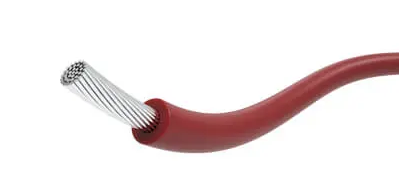
CASFLON™ 200 – Style 10133
PTFE-insulated wire rated up to 200°C, ideal for high-temperature robotic components.

CASFLON™ 150 – Style 1859
PFA-insulated 600V wire, engineered for long-term reliability under high flex cycles.

CASFLON™ NEMA HP4 – Type K
FEP-insulated 600V wire, designed for robotic control systems requiring high durability.

CASFLON™ SAE AS22759 / 16
ETFE-insulated 600V wire, built for vibration-intensive automated machinery and continuous motion.
Cable Solutions for Precision Applications
From medical implants to robotic actuators, our comprehensive miniature cable portfolio supports every high-precision system.
Power Cables
Transmit low-voltage power in ultra-compact spaces. Handle micro-currents under constant mechanical stress.
- Ultra-low voltage for sensors/actuators
- Up to 600V options
- Flame-retardant, halogen-free variants
- IEC/UL compliant
Control & Data Cables
Maintain stable signal transmission for automation, sensors, and monitoring.
- Precision instrumentation systems
- Shielded EMI protection (>90% coverage)
- Sensor & feedback cables
- Hybrid power/signal configurations
Torsion, Flex & Dynamic Cables
Engineered for the most mechanically demanding zones. Withstand millions of torsional and bend cycles.
- Fine-stranded conductors (7–133 strands)
- Short lay length for extreme flexibility
- Elastic fluoropolymer insulation
- Proven in medical, robotics, aerospace
Biocompatible & Sterilizable Cables
Enhanced protection for medical and clean-room environments.
- Corrosion & chemical resistance
- Autoclave/sterilization compatible (>500 cycles)
- Dynamic & static medical use
- ISO 10993 and medical-grade standards
Engineered Materials for Long-Term Reliability
Material selection is critical to miniature cable performance. We utilize ultra-fine conductors and advanced insulation to balance extreme flexibility, durability, and electrical efficiency.
Conductor Design
Ultra-fine stranded bare, tinned, or high-strength alloy copper optimized for flexibility and fatigue resistance.
Insulation Systems
Fluoropolymers (FEP/PFA/PTFE) or silicone for superior flexibility, temperature, and chemical performance.
Outer Jackets
Abrasion-resistant, thin yet tough jackets engineered for micro-spaces and harsh conditions.
Environmental Compliance
Halogen-free, RoHS, REACH, and ISO 10993 biocompatible compounds for sensitive applications.
Miniature Silicone-Insulated Cables for Thermal Stability and Long-Term Reliability
Miniature silicone-insulated cables are selected for high-precision robotic and medical applications requiring exceptional temperature resistance and long-term material stability in micro-spaces. Their inherent flexibility across a wide temperature range makes them ideal for miniature devices operating near heat sources or in fluctuating thermal conditions, such as surgical tools, implantable systems, and compact automation. These ultra-fine cables maintain insulation integrity and mechanical performance over extended service cycles in AWG 44–56 configurations.

CASLICON™ 150 – Style 3068
300V silicone insulated wire rated -60°C to +150°C, suitable for flexible robotic motion and internal control wiring.

CASLICON™ 150 – Style 3132
Highly flexible 300V silicone wire designed for continuous movement in robotic arms and automated equipment.

CASLICON™ 150 – Style 3529
600V silicone insulated wire rated up to +150°C, supporting higher voltage robotic applications with repeated bending cycles.

CASLICON™ 200 – Style 3530
600V silicone wire with extended temperature capability up to +200°C, ideal for robotic systems exposed to localized heat sources.
International Standards Compliance
Our miniature cables meet major international standards for smooth certification and integration into global precision projects (ISO 10993, UL, RoHS, REACH, SAE AS22759, NEMA HP4, etc.).
UL & cUL
Our robotic cables are manufactured in compliance with UL and cUL requirements, ensuring electrical safety, mechanical reliability, and acceptance for North American industrial installations.
IEC standards
Designed and tested according to relevant IEC standards, our cables deliver stable performance under continuous motion, bending, and torsion in demanding industrial environments.
ISO certified materials
All insulation and jacket materials are sourced and processed under ISO-certified quality management systems, guaranteeing consistency, traceability, and long-term durability.
RoHS & halogen-free options
RoHS-compliant and halogen-free cable options are available to meet environmental regulations, reduce toxic emissions, and improve safety in enclosed automation systems.
Typical Miniature Cable Applications
Each application is supported by cable designs matched to its specific mechanical and electrical requirements.
Medical Devices
Robotics & Automation
Robotics & Automation (Joints, Actuators)
Aerospace & Drones
Precision Instrumentation
Frequently Asked Questions
Common questions about miniature cable and precision solutions
Medical endoscopes and implants typically use ultra-fine miniature coaxial cables or multi-conductor shielded cables in AWG 44–56 range. These feature biocompatible fluoropolymer insulation (PFA, FEP, or medical-grade silicone), high shielding coverage (>90%) for low-noise signal transmission, and extremely small outer diameters (<0.5 mm) to fit tight spaces. They must meet ISO 10993 biocompatibility and withstand repeated sterilization cycles.
The primary causes are cumulative mechanical fatigue from millions of bend/torsion cycles, insulation cracking due to thermal cycling or low temperatures, jacket abrasion from repeated movement or chemical exposure, and signal degradation from micro-vibration or EMI. Conductor strand breakage is common when standard stranding is used instead of high-flex optimized designs.
Yes — significantly. Medical-grade versions require ISO 10993 biocompatibility, sterilizability (autoclave, EtO, gamma >500 cycles), ultra-low outgassing, non-toxic materials, and tighter tolerances for patient safety. Industrial cables prioritize cost and general durability but often lack these certifications, making them unsuitable for direct body contact or clean-room use.
High-quality miniature cables designed for dynamic applications can achieve 10–20 million+ bend cycles (depending on bend radius, temperature, and load), often exceeding 20 years of service life in real-world use. This is validated through third-party flex-life testing (e.g., rolling flex or tic-tac-toe protocols). Standard wires typically fail below 1 million cycles in similar conditions.
Key standards include:
- ISO 10993 (biocompatibility for medical use)
- UL (electrical safety, e.g., UL 758 Appliance Wiring Material)
- RoHS / REACH (environmental compliance)
- SAE AS22759 / NEMA HP4 (high-performance aerospace/precision wiring)
- IEC 60601 (medical electrical equipment safety)
- IPC/WHMA-A-620 (cable and wire harness assembly requirements)
During OEM design, emphasis is on electrical performance (impedance control, low capacitance), mechanical specs (bend radius, flex life), and prototyping flexibility (small MOQ, quick samples). In final assembly, focus shifts to manufacturability (consistent tolerances, ease of termination), supply chain reliability, cost optimization at scale, and full certification traceability for regulatory approval.
Key factors include: existing space constraints (diameter & bend radius), required flex life vs. current failure rate, compatibility with existing connectors/termination, environmental conditions (temperature, chemicals, sterilization), certification needs (e.g., ISO 10993 retrofit), signal integrity improvements (shielding upgrade), and total lifecycle cost (reduced maintenance vs. initial price).
Higher flexibility (lower bend radius, higher cycle life, elastic materials) dramatically reduces fatigue-induced failures (strand breaks, insulation cracks) in continuous-motion applications. It minimizes stress concentrations, prevents premature wear, extends mean time between failures (MTBF), and lowers downtime/rework costs — often doubling or tripling service life in robotic joints or endoscopic articulation.
Risks include early conductor breakage from insufficient flex life, signal noise or loss due to poor shielding, insulation failure in cold/sterile environments, non-compliance with medical/aerospace certifications (leading to regulatory rejection), increased rework/scrap, patient/device safety issues (in medical use), and higher long-term maintenance costs from frequent replacements.
By providing 10–20 million+ cycle durability, biocompatibility & sterilizability, and optimized signal integrity, high-quality miniature cables drastically cut field failures, extend device lifespan, reduce warranty claims, minimize production rework during assembly, lower spare parts inventory needs, and decrease overall maintenance frequency — delivering significant ROI through fewer service interventions and longer operational uptime.