...

J1939 CAN Bus Cable for Heavy-Duty Vehicles — SAE-Compliant, Ships in 3–4 Weeks

Engineered for SAE J1939 networks in heavy-duty trucks, agricultural machinery, and construction equipment. CASPLAST CAN-Bus cables maintain signal integrity and electrical performance under extreme temperature, vibration, and chemical exposure.

  • ✓  Characteristic impedance 120Ω±5%, rated to −55°C / +150°C
  • ✓  Shielded (SAE J1939/11) and unshielded (SAE J1939/15) variants available
  • ✓  CASFDAM® irradiation cross-linked insulation — same compound from sample to mass order

About Casmo

Casmo Cable manufactures J1939 CAN bus cable under the CASPLAST , compliant with SAE J1939/11 (shielded twisted pair) and SAE J1939/15 (unshielded). Cables are available in 0.5mm² and 0.8mm² (20AWG / 18AWG), rated to 300V with a characteristic impedance of 120Ω±5% (J1939/11).

  • Minimum order quantity is 305 meters per variant
  • with a standard lead time of 3–4 weeks from order confirmation.
Casmo Cable factory facility, manufacturer of CASPLAST SAE J1939 shielded and unshielded CAN bus cable for heavy-duty vehicle OEMs

What Is a J1939 CAN Bus Cable?

A J1939 CAN bus cable is the physical layer medium that carries communications between ECUs (Electronic Control Units) across the SAE J1939 vehicle network — the standard protocol used in heavy-duty trucks, agricultural equipment, and construction machinery. The cable must maintain precise electrical characteristics, particularly characteristic impedance (120Ω±5% for J1939/11), to prevent signal reflections that degrade network performance or cause communication failures.

3 Problems Buyers Run Into
When Sourcing SAE J1939 CAN Bus Cable

Field Failure After Sample Approval

A cable that performs in sample testing can degrade in production if the insulation compound changes between batches. Every CASPLAST cable uses CASFDAM® irradiation cross-linked material — the same compound, the same process, from the sample you approve through to mass order. The cable you test is the cable you receive.

No Way to Verify Compliance

We don't ask buyers to take our word for it. Technical datasheets covering characteristic impedance (120Ω±5%), conductor cross-section, temperature rating, and shielding configuration are available before any purchase order is placed. If your application requires SAE J1939/11 compliance, the datasheet shows exactly where the cable meets the standard.

Managing Multiple Suppliers Across J1939 Variants

Casmo Cable produces cables for SAE J1939/5, J1939/11, and J1939/15 in one facility. If your harness design requires both shielded and unshielded J1939 cable, or multiple conductor sizes, you consolidate to one supplier, one datasheet process, and one point of contact.

Our Product

J1939/11 CASPLAST CAN-Bus 125

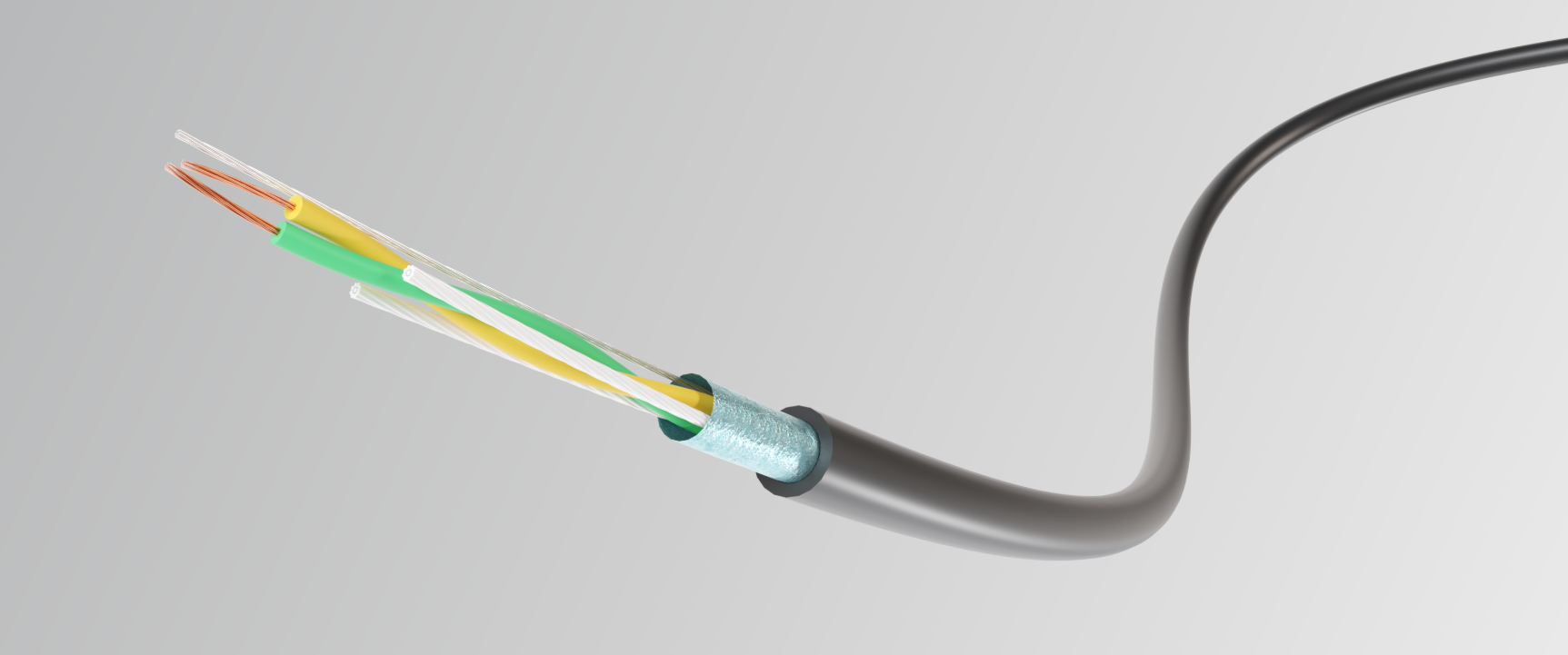
Shielded twisted pair CAN bus cable with aluminium/mylar wrap and CASFOAM® irradiation cross-linked insulation, rated to −55°C / +125°C, 120Ω±10%, 300V. Compliant with SAE J1939/11. Available in 0.5mm² and 0.8mm² for chassis and cab harness routing in heavy-duty vehicles and harsh environments.

J1939/11 CASPLAST CAN-Bus 150

SAE J1939/11 shielded CAN bus cable rated to −55°C / +150°C — the highest temperature rating in the CASPLAST J1939/11 range. Aluminium/mylar shield with bare or tin-plated copper drain wire and CASFOAM® insulation. Engineered for engine-adjacent mounting and EMI-sensitive zones in heavy-duty vehicles.
J1939/15 CASPLAST CAN-Bus 125

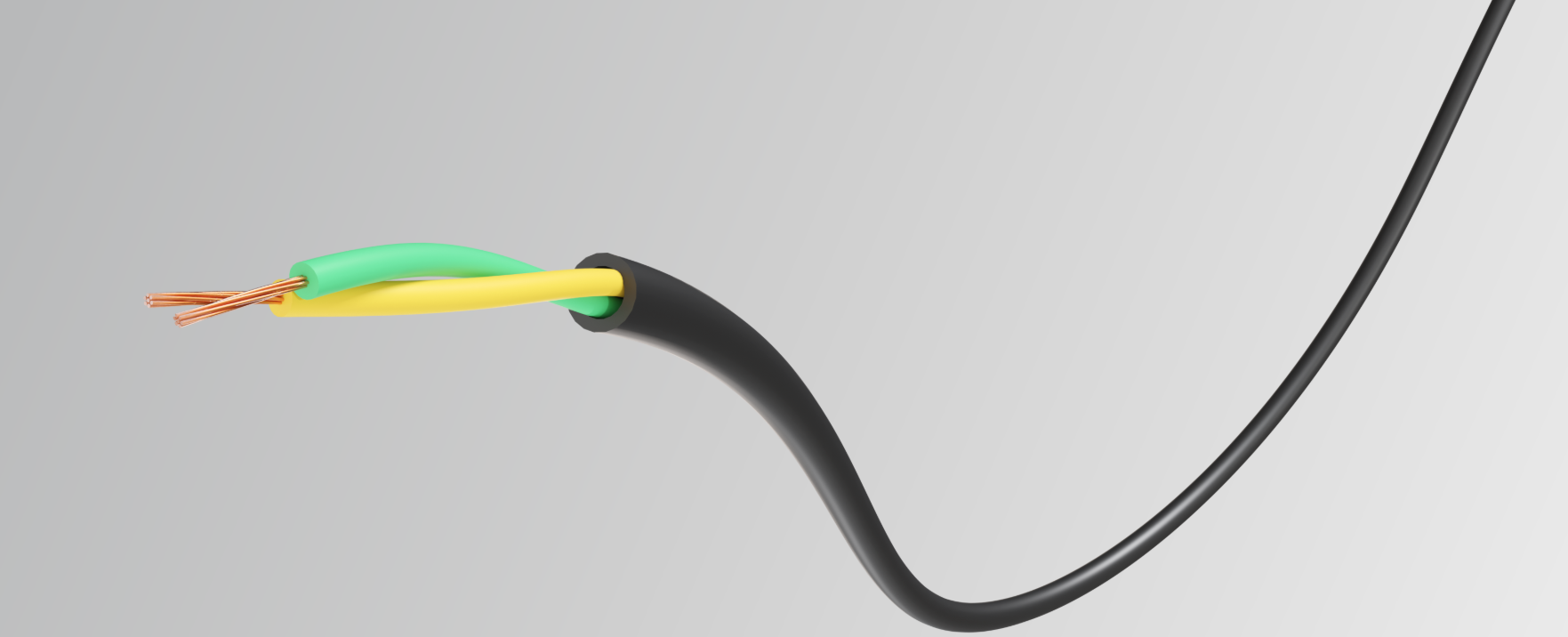
Unshielded twisted pair CAN bus cable compliant with SAE J1939/15, rated to −55°C / +125°C with CASFOAM® irradiation cross-linked insulation, 120Ω±10%, 300V. Available in 0.5mm² and 0.8mm² for trailer, cabin, and low-EMI routing where shielding is not required.

J1939/15 CASPLAST CAN-Bus 150

Unshielded SAE J1939/15 CAN bus cable with extended temperature rating to −55°C / +150°C and CASFOAM® irradiation cross-linked insulation, 120Ω±10%, 300V. Delivers J1939/15 cost efficiency with wider thermal tolerance for high-temperature exterior and outdoor vehicle harness routing.

Check Our Technical Specification

Parameter
Value / Range
Recommend Application
Conduction
Bare copper, 0.5mm² / 0.8mm²(20AWG/18AWG)
Data & signal circuits in J1939 CAN bus networks
Insulation
CASFDAM irradiation cross-linked material
Consistent batch to batch dielectric performance
Shield(J1939/11)
Aluminium/mylar + bare or tin-plated copper drain wire
EMI-sensitive vehicle networks, engine bay wiring
Jacket
Modified irradiation cross-linked material
All J1939 variants in heavy-duty vehicle environments
Impedance
120Ω±5% (J1939/11) / 100Ω±10% (J1939/15)
CAN bus signal integrity across full network topology
Operating Voltage
300V
Standard SAE J1939 vehicle network circuits
Temperature (CAN-Bus 150)
−55°C to +150°C
Engine bay, turbo-adjacent, high-heat mounting zones
Temperature (CAN-Bus 125)
−55°C to +125°C
Standard cab and chassis routing
Chemical Resistance
Fuel, mineral oil, acid, base
Under-hood, drivetrain, and equipment harness routing
Mechanical
Cut-through and abrasion resistance
Exposed routing in heavy vehicle harnesses

SAE J1939/11 vs SAE J1939/15: Which Cable Does Your Application Need

The two most common SAE J1939 physical layer specifications are not interchangeable. Choosing the wrong variant for your installation environment affects signal integrity and long-term cable performance. The decision comes down to four factors: EMI exposure, operating temperature, routing location, and cost sensitivity.

Feature
SAE J1939/11 — Shielded
SAE J1939/15 — Unshielded
CASPLAST Model
CAN-Bus 125 / CAN-Bus 150
CAN-Bus 150
Shield Construction
Aluminium/mylar + drain wire
None
Impedance
120Ω±5%
100Ω±10%
Max Temperature
+150°C (CAN-Bus 150)
+60°C
Min Temperature
−55°C
−15°C
EMI Protection
Yes
No
Typical Routing Zone
Engine bay, chassis, high-EMI zones
Trailer, cabin, low-EMI exterior
Cost Per Meter
Higher
Lower

Choose SAE J1939/11 If:

Choose SAE J1939/15 If:

What's Applications Across Vehicle and Equipment Types

Vehicle / Equipment Type
Recommended CASPLAST Variant
Key Specifications
Heavy-Duty Trucks & Coaches
CAN-Bus 150 (SAE J1939/11)
−55°C to +150°C, shielded, 120Ω±5%
Agricultural Machinery
CAN-Bus 125 or 150 (SAE J1939/11)
Fuel & oil resistant jacket, shielded, vibration-tested
Construction Equipment
CAN-Bus 125 (SAE J1939/11)
EMI shielded, −55°C to +125°C, abrasion-resistant
Military & Off-Road Vehicles
CAN-Bus 150 (SAE J1939/11)
Full temp range −55°C / +150°C, cut-through resistance
Marine & Inland Vessels
CAN-Bus 125 (SAE J1939/11)
Moisture-resistant jacket, chemical resistance, shielded
Trailers & Low-EMI Zones
CAN-Bus 150 (SAE J1939/15, unshielded)
100Ω±10%, −15°C to +60°C, lower cost per meter

Why Engineers and Procurement Teams Specify Casmo Cable

Proprietary CASFDAM® Insulation

Developed in-house and used in every production run. Consistent dielectric performance from the sample you approve through every meter of your order — not just on the reel you tested.

Rated to −55°C / +150°C

CAN-Bus 150 (J1939/11) handles engine-adjacent mounting positions where most cables reach their limit at 105°C or 125°C. No derating required for high-heat installation zones.

Full J1939 Standard Coverage

SAE J1939/5, J1939/11, and J1939/15 manufactured in one facility. Multi-standard harness projects handled by one supplier with one point of contact.

Datasheet Before You Commit

Impedance values, conductor specs, shielding construction, and temperature ratings available before any order is placed. Verify compliance without relying on a sales claim.

Standards and Compliance

All CASPLAST CAN-Bus cables are manufactured in compliance with the applicable SAE J1939 physical layer standards.
Technical datasheets documenting compliance parameters are available before any order is placed.

SAE
J1939
CAN Bus Protocol
Defines the vehicle network architecture for heavy-duty vehicles and equipment
SAE
J1939/11
Shielded Physical Layer
Specifies shielded twisted pair cable with 120Ω±5% impedance and drain wire
SAE
J1939/15
Reduced Physical Layer
Unshielded twisted pair specification, 100Ω±10%, for cost-sensitive applications

Tailored Solutions for Your Project

Every vehicle harness has different requirements. If your application falls outside the standard CASPLAST range — in conductor size, temperature rating, reel length, or jacket specification — our engineering team works directly with your design or procurement team to identify the right configuration before production begins.

Standard Lead Time: 3–4 Weeks

From order confirmation to dispatch. This applies to all standard CASPLAST CAN-Bus variants — shielded J1939/11 and unshielded J1939/15 — in 0.5mm² and 0.8mm² conductor sizes.

MOQ305 meters / variant
VariantsJ1939/11 & J1939/15
Conductor sizes0.5mm² / 0.8mm²
Quote turnaroundWithin 24 hours

What Procurement Teams Say

We ran J1939/11 cable from two suppliers side by side for six months on the same truck platform. Specs looked identical on paper. By week 14, one supplier’s cable showed insulation cracking at the connector termination points. Casmo Cable’s CASPLAST ran the full test cycle without issue. I hadn’t expected the insulation compound to matter that much on a cable that lives inside a conduit. I ask every supplier what material they actually use now.
Electrical Systems Procurement Lead
Daniel R
Electrical Systems Procurement Lead
Our default was to spec J1939/11 shielded across every harness run — nobody gets blamed for over-engineering. On our trailer lighting control harness, that meant 60 meters of shielded cable in a low-EMI zone where J1939/15 would have been sufficient. Casmo Cable flagged it before we committed. We switched that circuit and brought the per-harness cable cost down 18% across a 200-unit run. The supplier who told us to order something cheaper is the one we trust more now.
Lead Harness Design Engineer
Thomas G
Lead Harness Design Engineer
Before consolidating, J1939 cable came from three sources depending on the temperature spec and shielding requirement. Three lead times, three approval processes. We moved everything to CASPLAST CAN-Bus 125 and 150 from Casmo Cable 14 months ago. Since then: one lead time, 3–4 weeks, every order, every variant. The cost saving on the cable itself was marginal. The saving on the supply chain management around the cable was not
Supply Chain Manager / Dublin
Patricia W
Supply Chain Manager

Frequently Asked Questions

The minimum order quantity is 305 meters per variant. This applies to all CASPLAST CAN-Bus configurations, including shielded SAE J1939/11 and unshielded SAE J1939/15. If you need a smaller quantity for prototyping or technical evaluation, contact us to ask about sample availability.

Standard lead time is 3–4 weeks from order confirmation. Lead time may extend for very large volumes or configurations outside the standard range. We recommend contacting us early in your project schedule to confirm current production availability.

Yes. The CASPLAST CAN-Bus 125 and CAN-Bus 150 (J1939/11 variants) are manufactured to SAE J1939/11 specifications, including shielded twisted pair construction with aluminium/mylar wrapping and drain wire, 120Ω±5% characteristic impedance, and the conductor cross-sections defined in the standard. Technical datasheets are available on request before any order is placed.

CASPLAST J1939 CAN bus cables are available in 0.5mm² (20AWG) and 0.8mm² (18AWG) conductor cross-sections. Both sizes are available in shielded (J1939/11) and unshielded (J1939/15) configurations.

SAE J1939/11 specifies a shielded twisted pair cable — aluminium/mylar wrap plus a drain wire — for installations where electromagnetic interference is a concern. SAE J1939/15 specifies an unshielded twisted pair for applications where EMI shielding is not required and cost reduction is a priority. J1939/11 uses 120Ω±5% impedance; J1939/15 uses 100Ω±10%. Casmo Cable manufactures both variants.

The CASPLAST CAN-Bus 150 (J1939/11) is rated for −55°C to +150°C, suitable for engine-adjacent mounting. The CAN-Bus 125 (J1939/11) covers −55°C to +125°C. Both use CASFDAM® irradiation cross-linked insulation, which maintains dielectric properties across the full rated temperature range.

Two cables can have identical impedance ratings on their datasheets but use different insulation compounds. If one supplier uses a generic cross-linked compound and another uses a dedicated formulation like CASFDAM®, the dielectric stability under temperature cycling, vibration, and chemical exposure will differ — and that difference often doesn’t appear until field conditions are applied. We use the same CASFDAM® compound from sample through mass production.

Yes. All CASPLAST CAN-Bus cables show verified resistance to acid, base, mineral oil, and fuel. The jacket and insulation materials are selected for heavy-duty vehicle environments where fluid exposure is a regular operating condition, not an edge case.

Yes. We can accommodate custom reel lengths, jacket colors, or conductor specifications outside the standard range. We also offer OEM and private-label options. Contact our team with your technical requirements and we will confirm feasibility and provide a lead time and quote.

Use the contact form on this page and specify which variant you need — J1939/11 or J1939/15, and the conductor size (0.5mm² or 0.8mm²). We respond within 24 hours with the relevant datasheet covering impedance values, conductor specs, temperature ratings, and shielding configuration.

Tell Us What You Need

Share the cable variant (J1939/11 or J1939/15), conductor size, and approximate quantity. We respond within 24 hours with a quote or datasheet — whichever moves your project forward.

Seraphinite AcceleratorOptimized by Seraphinite Accelerator
Turns on site high speed to be attractive for people and search engines.