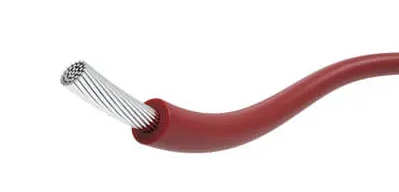
Medical Wires & Medical Cables
Precision Cable Solutions for Medical Devices, Diagnostic Equipment, and Life-Critical Systems
Why Medical Wires & Cables Fail in Real Medical Environments
Medical cable failures rarely originate from simple electrical overload. In real-world clinical and laboratory environments, cables are exposed to repeated flexing, sterilization processes, chemical disinfectants, tight routing spaces, and strict regulatory requirements.
Failure in a medical device does not only mean downtime—it can directly impact diagnostic accuracy, device reliability, and patient safety.
Mechanical Fatigue
Repeated bending in handheld devices, robotic-assisted tools, and movable equipment causes conductor breakage.
Insulation Degradation
Autoclave cycles, high temperatures, and aggressive disinfectants accelerate insulation aging.
Biocompatibility & Compliance Risks
Non-medical-grade materials can fail regulatory or long-term safety requirements.
Signal Distortion
EMI and micro-movement affect data integrity in imaging, monitoring, and diagnostic systems.
Our Solution: Engineered for Medical Reliability
Our medical wire and cable designs are developed specifically for long-term reliability in clinical, laboratory, and medical OEM environments. By combining fine-stranded conductors, carefully selected insulation systems, and compliant materials, we help medical device manufacturers reduce failure risks and extend product lifecycle.
Thermoplastic-Insulated Medical Cables for Repeated Motion Applications
Thermoplastic-insulated medical cables are engineered for medical devices exposed to frequent movement, bending, and handling during daily clinical use. These cables provide a balanced combination of flexibility, mechanical resilience, and long flex life, making them suitable for applications such as patient monitoring systems, diagnostic equipment, and mobile medical devices.

CASPLAST™ 1015
Reliable PVC insulated wire, rated 600V and -30°C to +105°C, ideal for general-purpose power and control applications.
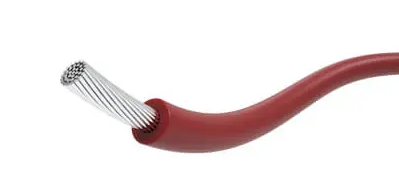
CASPLAST™ 1007
Flexible PVC cable, 300V, -20°C to +80°C, suitable for low-voltage wiring in industrial environments.
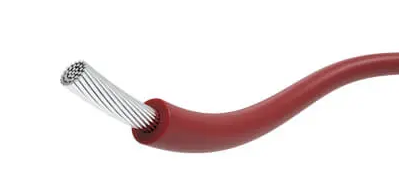
CASPLAST™ 1032
High-voltage PVC wire, 1000–1200V, -30°C to +90°C, perfect for indoor machinery and high-current circuits.
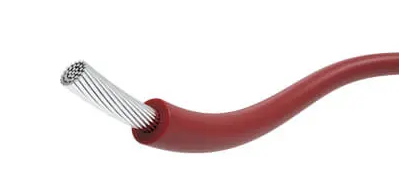
CASPLAST™ 1056
Durable 600V PVC insulated wire, -30°C to +105°C, for reliable power distribution and control wiring.
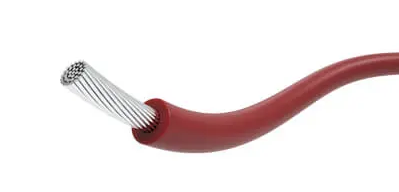
CASPLAST™ 1095
PVC wire rated 300V, -30°C to +80°C, ideal for signal and control circuits in standard industrial settings.
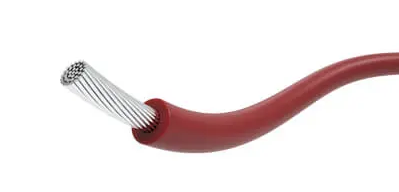
CASPLAST™ 1569
Flexible PVC insulated cable, 300V, -30°C to +105°C, designed for versatile industrial installation needs.
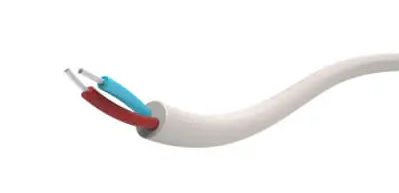
CASPLAST™ 2103
Long-lasting PVC wire, 300V, -30°C to +105°C, engineered for stable electrical connections and automation systems.
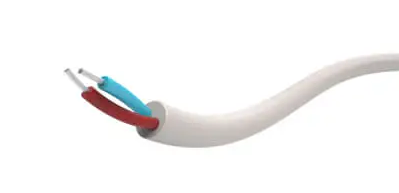
CASPLAST™ 2651
High-temperature PVC insulated wire, 300V, rated up to +150°C, suitable for elevated thermal environments and demanding applications.
Medical Cables vs Standard Industrial Cables
Medical cables are fundamentally different from standard industrial wiring. Using non-medical-grade cables often leads to compliance issues, shortened service life, and increased risk in regulated environments.
Feature | Medical Wires & Cables | Standard Industrial Cables |
|---|---|---|
Flexibility | Designed for repeated handling & motion | Limited flex life |
Chemical Resistance | Resistant to disinfectants & cleaners | Limited chemical tolerance |
Thermal Stability | Withstands sterilization processes | Not sterilization-rated |
Signal Integrity | Stable for diagnostic & monitoring systems | Susceptible to interference |
Compliance | Medical & material standards | General industrial standards |
Lifecycle | Designed for long-term medical use | Shorter service life |
Fluoropolymer-Insulated Medical Cables for Precision and Signal Integrity
Fluoropolymer-insulated medical cables are designed for medical applications where material purity, signal stability, and long-term reliability are critical. With inherently low friction, strong resistance to chemicals and sterilization agents, and excellent thermal stability, these cables are well suited for imaging systems, robotic-assisted surgical devices, and advanced diagnostic platforms.

CASFLON™ 150 – Style 11063
PFA-insulated wire rated 600V, -65°C to +150°C, ideal for high-flex robotic and automation wiring.

CASFLON™ 150 – Style 1164
PTFE-insulated wire, 300V, flexible and durable for continuous-motion robotic systems.

CASFLON™ 150 – Style 1198
PTFE-insulated 600V wire, designed for repeated bending and high-temperature robotics applications.

CASFLON™ 150 – Style 1331
FEP-insulated wire, 600V, suitable for robotic arms and moving industrial machinery.
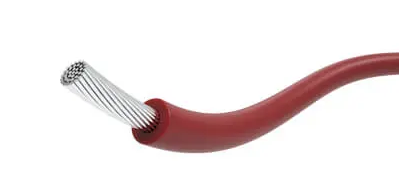
CASFLON™ 200 – Style 10133
PTFE-insulated wire rated up to 200°C, ideal for high-temperature robotic components.

CASFLON™ 150 – Style 1859
PFA-insulated 600V wire, engineered for long-term reliability under high flex cycles.

CASFLON™ NEMA HP4 – Type K
FEP-insulated 600V wire, designed for robotic control systems requiring high durability.

CASFLON™ SAE AS22759 / 16
ETFE-insulated 600V wire, built for vibration-intensive automated machinery and continuous motion.
Cable Solutions for Medical Applications
From handheld diagnostic devices to complex imaging systems, our medical wire and cable portfolio supports a wide range of healthcare technologies.
Power Cables
Reliable power delivery for medical devices and equipment.
- Low and medium voltage options
- Flame-retardant materials
- Stable electrical performance
- IEC & UL compliant
Control & Signal Cables
Ensure accurate data transmission for medical monitoring and diagnostics.
- EMI-shielded options
- Stable signal integrity
- Sensor and control compatibility
High-Flex Medical Cables
Designed for devices requiring repeated movement.
- Fine-stranded conductors
- Extended flex life
- Reduced mechanical stress
Sterilization-Resistant Cables
For devices exposed to cleaning and sterilization processes.
- High-temperature resistance
- Chemical-resistant insulation
- Long-term material stability
Engineered Materials for Long-Term Medical Reliability
Material selection is critical in medical wire and cable design. Our medical-grade materials are selected to balance flexibility, durability, electrical performance, and regulatory requirements.
Conductor Design
Fine-stranded copper conductors optimized for flexibility and mechanical reliability.
Insulation Systems
PTFE, PFA, FEP, silicone, TPE, and XLPO materials selected based on temperature, flexibility, and chemical exposure.
Outer Jackets
Smooth, abrasion-resistant jackets compatible with cleaning agents and repeated handling.
Regulatory & Environmental Compliance
RoHS compliant, halogen-free options, and materials suitable for medical environments.
Silicone-Insulated Medical Cables for Thermal Resilience and Device Longevity
Silicone-insulated medical cables are selected for medical devices operating across wide temperature ranges or near localized heat sources. Their natural elasticity and thermal stability allow consistent flexibility and insulation performance under both elevated and fluctuating temperatures.

CASLICON™ 150 – Style 3068
300V silicone insulated wire rated -60°C to +150°C, suitable for flexible robotic motion and internal control wiring.

CASLICON™ 150 – Style 3132
Highly flexible 300V silicone wire designed for continuous movement in robotic arms and automated equipment.

CASLICON™ 150 – Style 3529
600V silicone insulated wire rated up to +150°C, supporting higher voltage robotic applications with repeated bending cycles.

CASLICON™ 200 – Style 3530
600V silicone wire with extended temperature capability up to +200°C, ideal for robotic systems exposed to localized heat sources.
International Standards Compliance
Our robotic cables comply with major international standards to ensure smooth integration into global automation projects.
UL & cUL
Our robotic cables are manufactured in compliance with UL and cUL requirements, ensuring electrical safety, mechanical reliability, and acceptance for North American industrial installations.
IEC standards
Designed and tested according to relevant IEC standards, our cables deliver stable performance under continuous motion, bending, and torsion in demanding industrial environments.
ISO certified materials
All insulation and jacket materials are sourced and processed under ISO-certified quality management systems, guaranteeing consistency, traceability, and long-term durability.
RoHS & halogen-free options
RoHS-compliant and halogen-free cable options are available to meet environmental regulations, reduce toxic emissions, and improve safety in enclosed automation systems.
Typical Medical Wire & Cable Applications
Medical wires and cables are engineered to meet the specific demands of different healthcare environments.
Diagnostic & imaging equipment
Patient monitoring systems
Surgical & robotic-assisted devices
Laboratory & analytical instruments
Portable & wearable medical devices
Frequently Asked Questions
Common questions about medical wires and medical cables
Medical wire typically refers to single-conductor solutions, while medical cables consist of multiple conductors designed for power, signal, or hybrid transmission in medical devices.
Fluoropolymers, silicone, TPE, and XLPO are widely used due to their flexibility, chemical resistance, and thermal stability.
Depending on application and exposure, materials may need to meet biocompatibility or medical material standards.
Certain medical-grade cables are designed to withstand autoclave, chemical, or thermal sterilization cycles.
Higher flexibility reduces mechanical stress, extending service life in handheld and movable devices.
UL, IEC, material compliance standards, and application-specific medical regulations may apply.
Yes. Medical devices often require customized conductor layouts, insulation systems, and jackets.
Industrial cables may fail compliance, degrade faster, or compromise device safety.
Proper material selection and design reduce failure rates and maintenance costs.
Early cable selection improves reliability, compliance planning, and manufacturing efficiency.