...

Robotic Cables for High-Flex Industrial Robot Applications

Engineered for continuous motion, torsion resistance, and stable electrical performance in modern automated factories.

About Casmo

Industrial robots operate in demanding environments where cables must endure constant bending, twisting, and mechanical stress. Standard cables designed for static installations often fail prematurely when used in robotic systems, leading to production downtime and costly maintenance.

Robotic cables are specifically engineered to withstand continuous motion. With highly flexible conductor structures, durable insulation materials, and reinforced outer jackets, these cables provide reliable power transmission and signal integrity even in high-speed automation environments.


At CASMO Cable, we manufacture robotic cables designed for industrial automation, robotic arms, and continuous motion systems. Our solutions are optimized for long service life, torsion resistance, and stable electrical performance in modern automated factories.

Whether you are building industrial robots, designing automation equipment, or maintaining robotic production lines, selecting the right cable plays a critical role in system reliability and operational efficiency.

What Is a Robotic Cable?

A robotic cable is a specialized flexible cable designed for use in industrial robots and automated machinery where continuous motion occurs.

Unlike standard industrial cables, robotic cables are built to tolerate:

  • Continuous bending cycles
  • Torsional movement inside robot joints
  • High mechanical stress
  • Exposure to oils, coolants, and industrial chemicals

These cables are commonly used inside robotic arms, drag chain systems, and automated production equipment where reliability is essential.

The key difference lies in the internal construction. Robotic cables typically use finely stranded copper conductors, optimized insulation materials, and abrasion-resistant outer jackets to ensure durability under repetitive motion.

As factories adopt higher levels of automation, robotic cables have become critical components in maintaining stable electrical connections within moving machinery.

Thermoplastics-Insulated Cables for Continuous Motion

Designed for dynamic applications, thermoplastics-insulated cables offer an optimal balance of flexibility, mechanical strength, and long bending life. These cables are widely used in drag chains, robotic arms, and automated systems where continuous motion and repeat flexing are unavoidable. Carefully formulated TPE and modified PVC compounds ensure stable performance under constant mechanical stress.

PVC insulated UL758 Style 1015 wire rated 600V for industrial power and control wiring

CASPLAST™ 1015

Reliable PVC insulated wire, rated 600V and -30°C to +105°C, ideal for general-purpose power and control applications.
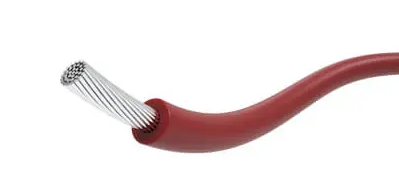
UL758 Style 1007 PVC insulated wire for low-voltage industrial wiring applications

CASPLAST™ 1007

Flexible PVC cable, 300V, -20°C to +80°C, suitable for low-voltage wiring in industrial environments.
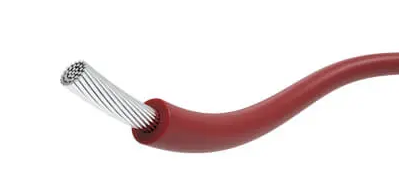
UL758 Style 1032 PVC insulated wire rated up to 1200V for high-voltage equipment wiring

CASPLAST™ 1032

High-voltage PVC wire, 1000–1200V, -30°C to +90°C, perfect for indoor machinery and high-current circuits.
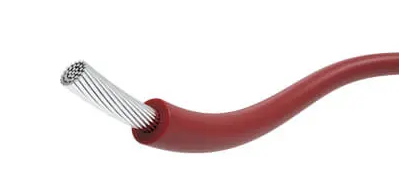
UL758 Style 1056 extruded PVC wire designed for reliable industrial power connections

CASPLAST™ 1056

Durable 600V PVC insulated wire, -30°C to +105°C, for reliable power distribution and control wiring.
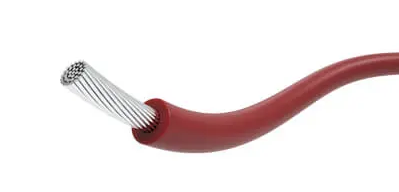
Alt text PVC insulated UL758 Style 1095 wire for control and signal circuits

CASPLAST™ 1095

PVC wire rated 300V, -30°C to +80°C, ideal for signal and control circuits in standard industrial settings.
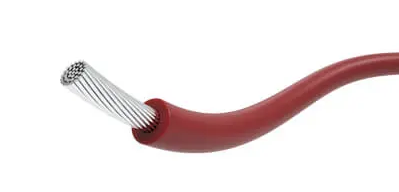
UL758 Style 1569 PVC wire suitable for flexible internal wiring applications

CASPLAST™ 1569

Flexible PVC insulated cable, 300V, -30°C to +105°C, designed for versatile industrial installation needs.
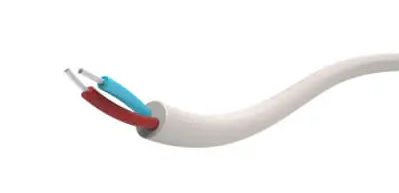
UL758 Style 2103 PVC wire designed for durable internal electrical connections

CASPLAST™ 2103

Long-lasting PVC wire, 300V, -30°C to +105°C, engineered for stable electrical connections and automation systems.
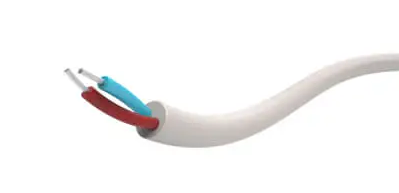
Alt text UL758 Style 2651 PVC insulated wire rated up to 150°C for elevated temperature applications

CASPLAST™ 2651

High-temperature PVC insulated wire, 300V, rated up to +150°C, suitable for elevated thermal environments and demanding applications.

Key Performance Requirements

Industrial robotic systems place significant mechanical demands on cables. To ensure reliable operation, robotic cables must meet several key performance requirements.

High Flex Life

Robotic cables must endure millions of bending cycles without conductor fatigue. High-flex conductor designs distribute mechanical stress evenly during movement, significantly extending service life.

Torsion Resistance

Robot joints generate continuous twisting motion. Cables designed for robotic applications must tolerate torsion angles of up to ±180° per meter without internal damage.

Abrasion & Oil Resistance

Industrial environments often expose cables to lubricants, coolants, and mechanical abrasion. Durable jacket materials such as PUR or TPE protect the cable from wear and chemical exposure.

Stable Signal Transmission

Servo motors, encoders, and sensors require stable signal integrity. Proper shielding structures reduce electromagnetic interference and maintain reliable data transmission.

Together, these features ensure robotic cables can perform reliably in demanding automation environments.

Types of Robotic Cables

Different robotic systems require different cable constructions depending on the type of motion involved.

Robot Arm Cables

Designed to operate inside articulated robotic arms where both bending and torsion occur. These cables must maintain flexibility while resisting internal stress caused by repeated movement.

Drag Chain Cables

Used in cable carrier systems that guide cables during linear motion. Designed to withstand continuous bending cycles and maintain structural stability within moving cable chains.

Servo Motor Cables

Transmit power and control signals between servo drives and motors. These cables typically include shielding structures to prevent electromagnetic interference.

Encoder & Signal Cables

Transmit feedback signals that allow robots to maintain precise positioning. Reliable shielding and stable electrical performance are essential in these applications.

Fluoropolymer-Insulated Cables for High-Performance Robotics

Fluoropolymer-insulated cables are engineered for applications where standard industrial cables reach their limits. With extremely low friction, excellent chemical resistance, and outstanding thermal stability, these cables are ideal for high-speed, multi-axis robotic systems. They significantly reduce wear inside drag chains and moving assemblies, extending service life in demanding robotic environments.

PFA insulated CASFLON 150 Style 11063 wire rated 600V for high-flex robotic and automation wiring

CASFLON™ 150 – Style 11063

PFA-insulated wire rated 600V, -65°C to +150°C, ideal for high-flex robotic and automation wiring.

Alt text PTFE insulated CASFLON 150 Style 1164 wire designed for flexible continuous-motion robotic systems

CASFLON™ 150 – Style 1164

PTFE-insulated wire, 300V, flexible and durable for continuous-motion robotic systems.

600V PTFE insulated CASFLON 150 Style 1198 wire for repeated bending in robotic applications

CASFLON™ 150 – Style 1198

PTFE-insulated 600V wire, designed for repeated bending and high-temperature robotics applications.

FEP insulated CASFLON 150 Style 1331 wire used in robotic arms and moving industrial machinery

CASFLON™ 150 – Style 1331

FEP-insulated wire, 600V, suitable for robotic arms and moving industrial machinery.
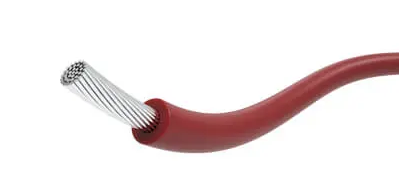
High-temperature PTFE insulated CASFLON 200 Style 10133 wire rated up to 200°C for robotic components

CASFLON™ 200 – Style 10133

PTFE-insulated wire rated up to 200°C, ideal for high-temperature robotic components.

PFA insulated CASFLON 150 Style 1859 wire engineered for long-term reliability under high flex cycles

CASFLON™ 150 – Style 1859

PFA-insulated 600V wire, engineered for long-term reliability under high flex cycles.

FEP insulated CASFLON NEMA HP4 Type K wire designed for durable robotic control systems

CASFLON™ NEMA HP4 – Type K

FEP-insulated 600V wire, designed for robotic control systems requiring high durability.

ETFE insulated CASFLON SAE AS22759/16 wire for vibration-intensive automated machinery

CASFLON™ SAE AS22759 / 16

ETFE-insulated 600V wire, built for vibration-intensive automated machinery and continuous motion.

Applications of Robotic Cables

Robotic cables are widely used across modern automated manufacturing systems.

Industrial Robot Arms

Robots used for welding, assembly, and material handling rely on flexible cables inside their articulated joints.

Automated Production Lines

Commonly used in automated assembly lines where machinery operates continuously.

Packaging & Palletizing

High-speed packaging equipment requires cables that can tolerate repeated mechanical movement.

AGV & Mobile Robots

Automated guided vehicles and mobile robots require compact and durable cable systems for internal wiring.

Applications of robotic cables in industrial automation: welding robot arm, automated assembly line, packaging robot, and AGV with flexible and torsion-resistant cables.

As automation technologies expand, reliable robotic cables have become essential components in advanced manufacturing environments.

Technical Specifications

Typical robotic cable specifications include the following characteristics:

Parameter
Specification
Voltage Rating
300V / 600V depending on cable design
Operating Temperature
−40°C to +90°C depending on jacket material
Conductor
Fine stranded copper conductors for high flexibility
Shielding
Braided copper shielding for EMI protection
Jacket Materials
PUR, TPE, or specialized industrial polymers
Flex Life
Up to 10 million bending cycles

These specifications may vary depending on the specific application and customization requirements.

Typical Structure of a Robotic Cable

The durability of robotic cables comes from their optimized internal structure. A typical robotic cable includes several layers:

Conductor

Finely stranded copper conductors improve flexibility and fatigue resistance.

Insulation Layer

Special insulation materials protect the conductor while maintaining flexibility.

Shielding Layer

Braided shielding reduces electromagnetic interference and improves signal stability.

Inner Jacket

Provides additional mechanical protection and structural stability.

Outer Jacket

Abrasion-resistant materials such as PUR or TPE protect the cable in harsh industrial environments.

Cross-section of a robotic cable showing conductor, insulation, braided shielding, inner jacket, and outer jacket, illustrating high flex and durability.

This multi-layer design allows robotic cables to withstand continuous mechanical stress without compromising electrical performance.

Silicone Cables for Thermal Stability and Long-Term Reliability

Silicone-insulated cables are selected for robotic applications requiring exceptional temperature resistance and long-term material stability. Their inherent flexibility across a wide temperature range makes them suitable for robots operating near heat sources or in fluctuating thermal environments. These cables maintain insulation integrity and mechanical performance over extended service cycles.

300V silicone insulated CASLICON 150 Style 3068 cable for flexible robotic motion and internal control wiring

CASLICON™ 150 – Style 3068

300V silicone insulated wire rated -60°C to +150°C, suitable for flexible robotic motion and internal control wiring.

Highly flexible CASLICON 150 Style 3132 silicone cable designed for continuous movement in robotic arms

CASLICON™ 150 – Style 3132

Highly flexible 300V silicone wire designed for continuous movement in robotic arms and automated equipment.

600V silicone insulated CASLICON 150 Style 3529 cable supporting repeated bending in robotic applications

CASLICON™ 150 – Style 3529

600V silicone insulated wire rated up to +150°C, supporting higher voltage robotic applications with repeated bending cycles.

High-temperature CASLICON 200 Style 3530 silicone cable rated up to 200°C for robots exposed to localized heat

CASLICON™ 200 – Style 3530

600V silicone wire with extended temperature capability up to +200°C, ideal for robotic systems exposed to localized heat sources.

Common Causes of Robotic Cable Failure

Understanding why cables fail helps engineers select the correct cable design.

Conductor Fatigue

Repeated bending can cause metal fatigue in conductors, eventually leading to breakage.

Insulation Cracking

Low-quality insulation materials may crack under continuous mechanical stress.

Torsion Damage

Cables not designed for torsional movement can quickly fail when installed inside robotic joints.

Shielding Damage

Improper cable construction may result in shielding breakdown, leading to signal interference.

Custom Robotic Cable Solutions

Many robotic systems require specialized cable designs to meet unique mechanical and electrical requirements. CASMO Cable provides custom robotic cable manufacturing solutions including:

  • Custom conductor sizes
  • Specialized shielding structures
  • Optimized cable diameters
  • High torsion resistance designs
  • Custom jacket materials

We work closely with equipment manufacturers and automation engineers to develop cables that match specific application conditions.

Why Choose CASMO as Your Supplier

Reliable robotic cable performance depends not only on materials but also on manufacturing precision and quality control. CASMO Cable provides:

Our manufacturing capabilities allow us to deliver consistent cable performance for demanding industrial applications.

CASMO Cable company headquarters representing our advanced manufacturing facilities and quality control for robotic cables.

International Standards Compliance

Our robotic cables comply with major international standards to ensure smooth integration into global automation projects.

UL & cUL

Our robotic cables are manufactured in compliance with UL and cUL requirements, ensuring electrical safety, mechanical reliability, and acceptance for North American industrial installations.

IEC standards

Designed and tested according to relevant IEC standards, our cables deliver stable performance under continuous motion, bending, and torsion in demanding industrial environments.

ISO certified materials

All insulation and jacket materials are sourced and processed under ISO-certified quality management systems, guaranteeing consistency, traceability, and long-term durability.

RoHS & halogen-free options

RoHS-compliant and halogen-free cable options are available to meet environmental regulations, reduce toxic emissions, and improve safety in enclosed automation systems.

What Our Clients Say

Our robotic cables comply with major international standards to ensure smooth integration into global automation projects.

Frequently Asked Questions

Here you’ll find clear, engineering-focused answers to the most common questions about robotic cable selection, performance, standards, and long-term reliability in continuous-motion automation systems.

Robotic cables are engineered for continuous motion, frequent bending, and torsional stress, using fine-stranded conductors and specially formulated insulation materials.

Yes. Our robotic cables are designed for continuous flexing and long service life in automated systems such as robotic arms and drag chains.

Selected models are UL and cUL listed, making them suitable for North American industrial and automation projects.

Yes. Our robotic cables are optimized for drag chain applications with controlled bending radius and abrasion-resistant jackets.

Yes. We provide RoHS-compliant and halogen-free options to meet environmental and safety regulations.

Depending on the model, our robotic cables typically operate from -40°C to +90°C, suitable for most industrial environments.

Yes. Custom conductor sizes, insulation materials, jacket compounds, and lengths can be provided based on project requirements.

The minimum bending radius depends on cable construction, but our designs typically support tight bending radii suitable for high-dynamic robotic motion.

Yes. Certain models are designed to withstand torsional stress, making them suitable for rotating robotic joints and multi-axis motion systems.

Our robotic cables are widely used in automation manufacturing, automotive production, CNC machining, electronics assembly, and smart factory systems.

Get Your Custom Robotic Cable Solution

Tell us your robotic cable requirements, including voltage, cable size, motion type, and installation environment. Our engineers will provide a tailored solution and prompt quote.

Seraphinite AcceleratorOptimized by Seraphinite Accelerator
Turns on site high speed to be attractive for people and search engines.